Tired of Your Hobbies Getting Lost in the Daily Rush? This App Strategy Changed Everything
Life moves fast, and the things we love—reading, drawing, playing music—often slip through the cracks. I used to forget my practice sessions, lose track of inspiration, and feel guilty about neglecting my passions. But then I discovered a simple way to weave hobbies into my daily rhythm using just my phone. No more overwhelm—just small, meaningful moments that add up. If you’ve ever wanted to finally stick with a hobby, this is for you.
The Guilt of the Abandoned Hobby
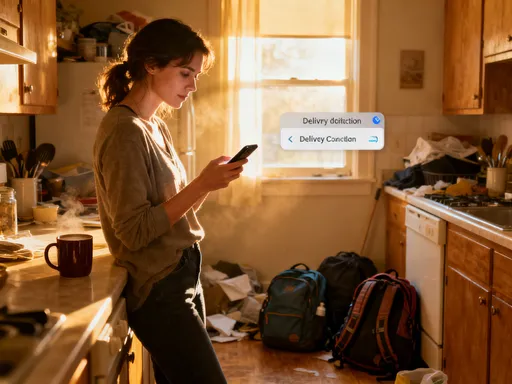
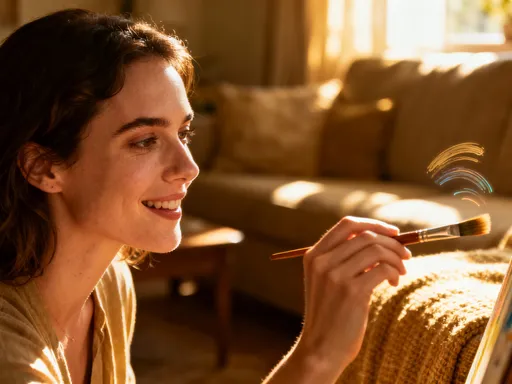
How many times have you bought something with such excitement, only to see it gather dust? Maybe it was a beautiful sketchbook with thick, creamy pages, or a ukulele you promised yourself you’d learn by summer. I did that—more than once. I bought a watercolor set, convinced I’d paint sunsets from my balcony. It sat untouched for months. The guilt crept in every time I opened the drawer and saw it there, unopened, like a quiet accusation. It wasn’t just about the money; it was about the version of myself I thought I’d become—the creative, expressive, joyful me—who kept getting pushed aside by laundry, grocery lists, and bedtime routines.
And I know I’m not alone. So many women I talk to—moms, caregivers, partners, professionals—share the same story. We start strong: a new journal, a downloaded language app, a yoga mat rolled out with intention. But then life happens. The kids need help with homework. The dog needs a walk. The work email can’t wait. And suddenly, that quiet moment for *you* disappears. What’s left isn’t just an unused hobby—it’s a feeling of loss. It’s like a little piece of your identity gets buried under the weight of daily responsibilities. You begin to wonder: Who am I when I’m not taking care of everyone else?
What surprised me most was how deeply this affected my mood. I didn’t realize how much joy I got from simply *doing* something just for me—no outcome, no pressure, no one to impress. When I stopped, I felt flatter, somehow. Less like myself. It wasn’t depression, exactly, but a kind of emotional dullness. I missed the spark. And I started to ask: Why is it so hard to make space for the things that light us up? Is it really just lack of time? Or is something else stealing those moments before we even notice?
How My Phone Was Hijacking My Free Time
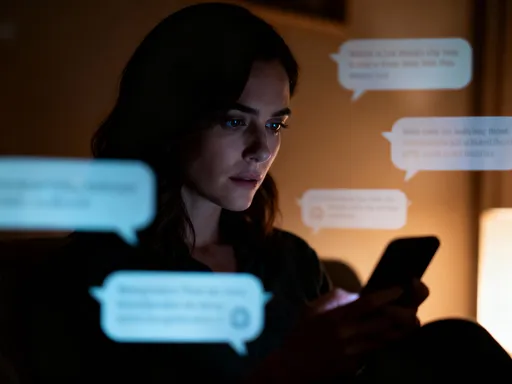
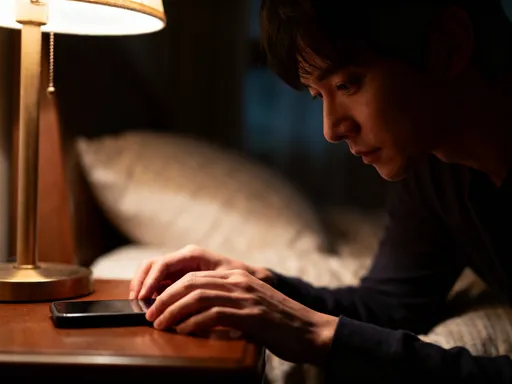
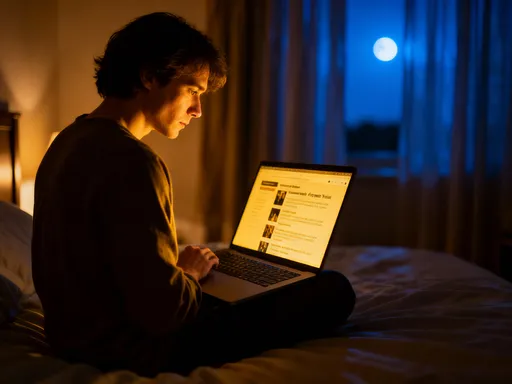
The answer, I realized, was in my hand—literally. My phone, the device I thought would help me stay organized and connected, was actually the biggest thief of my creative time. I’d tell myself, ‘I’ll just check one thing,’ and suddenly 20 minutes had vanished into a scroll of random videos or old photos. I remember one evening, I finally had an hour to myself. I picked up my guitar, tuned it, and opened a beginner’s song tutorial on my phone. Within five minutes, I was watching a cooking video. Then a DIY craft tutorial. Then a dog training clip. I hadn’t even meant to click on those—they just popped up, and my thumb swiped before my brain caught up.
That’s when it hit me: my phone wasn’t neutral. It wasn’t just a tool waiting for my command. It was designed to pull me in, to keep me engaged, to make me forget what I originally opened it for. The autoplay feature, the endless scroll, the notifications that dinged like little rewards—these weren’t accidents. They were carefully engineered to keep me scrolling, not creating. And the worst part? I didn’t even notice it was happening. I’d open the phone to set a timer for my sketching session and end up watching someone reorganize their pantry. Again.
It wasn’t laziness. It was design. The apps I used most—social media, video platforms, even news sites—were built to capture attention, not support intention. They didn’t care if I learned a chord or finished a poem. They cared if I stayed on the screen. And because I kept giving them what they wanted, they kept showing me more of the same. I started to feel powerless, like my own device was working against me. I wanted to create, but my phone kept turning me into a passive viewer. And every time I gave in, that sketchbook stayed closed a little longer.
Reframing My Phone: From Distraction to Hobby Companion
The shift began when I stopped blaming myself and started asking a different question: What if my phone isn’t the enemy? What if it’s just… misunderstood? I realized I’d been treating it like a guilty pleasure—something to feel bad about using. But it didn’t have to be that way. My phone is also the device that holds my calendar, my notes, my favorite recipes, and yes, my music. It’s the one thing I carry with me every day. Why couldn’t it also be the thing that helps me reconnect with my passions?
This mindset change was everything. Instead of trying to *resist* my phone, I decided to *reshape* it. I didn’t need to delete everything or go back to a flip phone. I just needed to make it work for me, not against me. And the first step was simple: I renamed some of my apps. I changed ‘YouTube’ to ‘Watch One Video Only’ on my home screen. Sounds silly, right? But it worked. Every time I saw that name, I paused. It reminded me: I’m in charge here. I’m not just reacting to whatever pops up.
I also started using my phone’s built-in screen time tools—not to punish myself, but to protect my intentions. I set a daily limit for social media and video apps. When I hit that limit, the app would gently remind me: ‘You wanted to spend time on your hobby today.’ That small nudge was enough to redirect me. I began to see my phone not as a source of guilt, but as a quiet ally. It could guard my time, celebrate my progress, and even remind me to pick up my guitar when I walked by the living room. The key wasn’t willpower—it was intentionality. And once I made that shift, everything started to change.
Curating Apps That Protect and Promote My Time
Not all apps are created equal. Some are like helpful friends—they show up when you need them and don’t overstay their welcome. Others are like that one relative who shows up uninvited and won’t leave. I realized I needed to clean house. I started by deleting the apps that left me feeling drained. If I always ended up scrolling longer than I wanted or feeling worse after using it, it had to go. That included a few games and a couple of news apps that just made me anxious.
Then I reorganized my home screen. I moved the apps that supported my hobbies to the front page—my note-taking app, my music player, a simple drawing app, and a habit tracker. I put them right next to my phone and messages, so they were just as easy to reach as the distracting ones. I even created a folder called ‘Joy Time’ and filled it with things that made me feel creative and calm. Every time I opened my phone, I saw these first. It was a small change, but it made a big difference in what I chose to do with my moments.
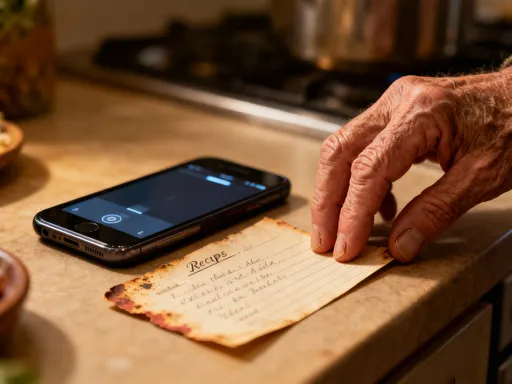
I also turned off most notifications. I kept only the ones I truly needed—calls, texts, calendar reminders. Everything else? Gone. No more dings pulling me away from the present. I also disabled autoplay on video apps and turned on ‘Ask Before Downloading’ for new content. These tiny settings didn’t feel like restrictions—they felt like boundaries. And once I had them in place, I started using apps that actually supported my goals. I downloaded a simple timer app that reminded me to take five minutes to sketch or write. I used a voice memo app to record song ideas while driving. I even started using my calendar to schedule ‘hobby blocks’—just 10 to 15 minutes a day, marked like any other important appointment.
The result? My phone began to feel different. It wasn’t a source of stress anymore. It became a quiet partner in my creative life. I wasn’t fighting it—I was using it. And the more I shaped it to support me, the more I showed up for myself.
Building Tiny Routines That Actually Stick
One of the biggest mistakes I made early on was aiming too high. I’d tell myself, ‘I’m going to practice guitar for an hour every day!’ or ‘I’ll journal every night before bed!’ And of course, life happened, and I missed a day. Then two. Then the whole week. And with each missed day, the guilt grew. I felt like I’d failed. But then I read about ‘habit stacking’—the idea of linking a new habit to something you already do without thinking. And it changed everything.
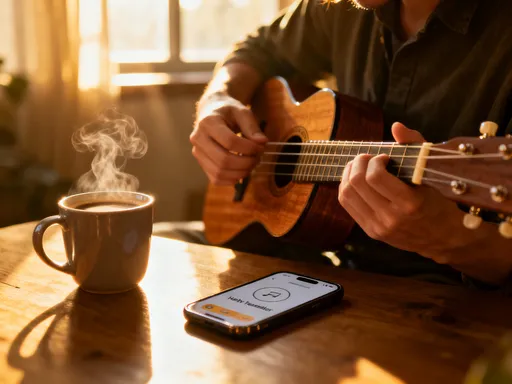
I stopped trying to carve out big chunks of time. Instead, I started small. I paired my guitar practice with my morning coffee. While the kettle boiled, I’d play one chord progression. That’s it. No pressure to learn a whole song. Just five minutes of sound. On the bus ride home, I’d open my note-taking app and jot down one idea—a line of poetry, a memory, a story seed. I used the voice recorder while folding laundry to hum a melody I’d been working on. These weren’t grand creative sessions. They were tiny moments. But they added up.
And here’s the magic: because they were so small, I almost never skipped them. And when I did, there was no guilt. I’d just pick it up the next day. I also started using my phone to celebrate these micro-wins. I’d mark them in my habit tracker with a simple check. Over time, I could see the chain of small efforts growing. That visual proof—that I was showing up, even in tiny ways—was incredibly motivating. It wasn’t about perfection. It was about presence. And slowly, those five-minute moments began to feel like real progress.
What I learned is that consistency beats intensity every time. You don’t need hours to reconnect with your passion. You just need a few intentional minutes, repeated over time. And with the right tech support, those minutes become habits—ones that actually stick.
Finding Joy in the Slow Return to Creativity
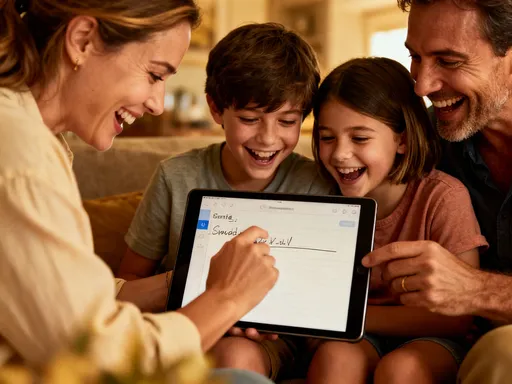
About six weeks into this new routine, something shifted. I was sitting on the couch after dinner, my ukulele in my lap. I played a simple song—one I’d been practicing in those morning coffee sessions. My daughter walked in, paused, and said, ‘Mom, I love when you play that.’ I hadn’t even realized she was listening. But in that moment, something inside me softened. It wasn’t about how well I played. It was about the fact that I was doing it—showing up, being present, sharing a little piece of myself.
That’s when I realized how much more than time I’d reclaimed. I’d reclaimed a part of my identity. I wasn’t just the person who managed the household or got everyone where they needed to be. I was also the one who made music, who noticed beauty, who created something from nothing. And that felt powerful. The small, tech-supported habits hadn’t just given me back my hobby—they’d given me back my confidence.
I started to feel calmer, more centered. Even on chaotic days, those few minutes of sketching or playing helped me reset. It was like a quiet anchor in the storm. And the best part? I didn’t have to wait for ‘someday’ to feel creative. I could feel it now, in the small, everyday moments. My phone, once a source of distraction, had become a bridge back to myself. It wasn’t about becoming an expert or posting perfect photos online. It was about the quiet joy of doing something just because it feels good.
And that joy began to ripple out. I found myself more patient with my family, more present in conversations, more open to new ideas. Taking care of my creativity wasn’t selfish—it was sustaining. It filled my cup so I could give from a place of fullness, not emptiness.
A Life Where Hobbies Finally Belong
Looking back, I see how much I underestimated the power of small, consistent choices. I used to think I needed a big transformation—a new schedule, more time, more energy. But what I really needed was a new relationship with the tool I already had in my pocket. My phone didn’t have to be the enemy of my passions. It could be their quiet champion.
Today, my hobbies aren’t on the to-do list. They’re woven into the fabric of my day. They’re in the five-minute sketch with my morning tea, the voice memo I record while walking the dog, the song I play while waiting for the pasta to cook. They’re no longer ‘extra’—they’re essential. Not because they make me productive, but because they make me *me*.
And that’s the truth I want you to hold close: you don’t have to choose between taking care of your family and taking care of yourself. You can do both. You can use the same device that once stole your time to now give it back. It starts with small changes—renaming an app, turning off a notification, scheduling a micro-session. It grows with kindness, not pressure. And it leads to a life where your passions don’t gather dust—they live, breathe, and grow, right alongside you.
If you’ve ever felt like your hobbies don’t belong in your busy life, I’m here to tell you: they do. And with a little tech-savvy love, your phone can help you finally make space for them. Not someday. Today. Because you deserve moments of joy, creativity, and peace—exactly as you are.