Streamlined my mom’s daily routine in just one week: The video platform that brought us closer
You know that moment when you see your parents struggling to stay connected or pass the day alone? I did. My mom felt isolated after Dad passed, and our busy lives made visits rare. Then I discovered how a simple online video platform could change everything—not with flashy tech, but with quiet, daily moments. It helped her stay engaged, learn new things, and even laugh more. This isn’t about going viral or streaming movies—it’s about using what’s already in your home to care better, love smarter, and be present, even when you’re not there.
The Quiet Loneliness No One Talks About
There’s a kind of loneliness that doesn’t scream—it whispers. It’s not dramatic, not urgent, but it’s there, sitting in the background of so many older adults’ lives. My mom never said she was lonely. She’d answer my calls with a cheerful “I’m fine, dear,” and I believed her. But over time, I started noticing the little things: the silence between her words, the way she’d pause before saying she’d “been keeping busy.” The truth was, she spent most days alone, with only the TV for company—and even that wasn’t really keeping her company. It was just noise.
Loneliness in older adults isn’t always about physical isolation. It’s about emotional disconnection. It’s the lack of shared moments, the absence of curiosity, the slow erosion of purpose. After my dad passed, Mom’s world got smaller. Her friends were either too far away or dealing with their own health issues. Her children—me and my brother—were raising families, working full-time, and squeezing in visits when we could. We thought we were doing enough. A weekly phone call. A visit every few weeks. But those check-ins, while well-intentioned, couldn’t fill the long stretches of empty hours.
What I didn’t realize then was that those quiet days were taking a toll. Studies show that prolonged social isolation can affect mental health, increase the risk of cognitive decline, and even impact physical well-being. But you don’t need a study to see it. You see it in the way your parent’s voice sounds a little flatter, their energy a little slower, their spark a little dimmer. The sadness isn’t always loud. Sometimes, it’s just the absence of joy. And that’s what broke my heart—not that Mom was suffering, but that she didn’t know how to ask for more.
How a Simple Screen Became Her Companion
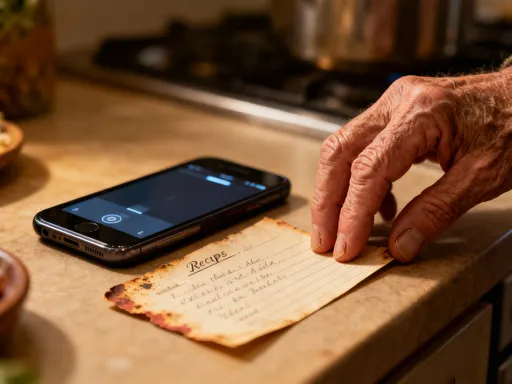
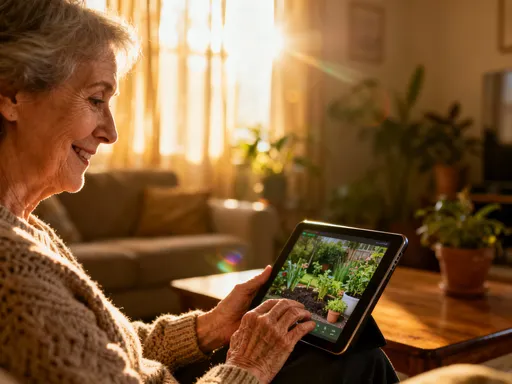
The turning point came on a rainy afternoon when I was visiting and noticed Mom scrolling through a tablet I’d given her months earlier. She wasn’t really using it—just tapping around, frustrated. “I don’t know what to do with this thing,” she said. I sat beside her and asked, “What would you like to see?” She paused, then said softly, “I miss cooking the way I used to. I forget the steps now.” That was it. A simple sentence, but it opened a door.
I showed her how to search for short cooking videos—specifically, recipes from her hometown. Within minutes, she was watching a woman in a colorful apron preparing a dish Mom hadn’t made in decades. Her eyes lit up. “That’s exactly how my mother did it!” she said. I helped her save the video to a playlist, and the next day, she called me, excited. “I made it! And it tasted just right.” That was the first time in a long time I’d heard real pride in her voice.
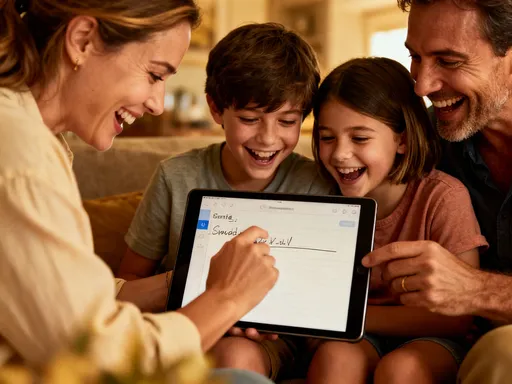
That moment changed everything. The screen stopped being a confusing gadget and became a companion. She started exploring other videos—gardening tips, watercolor painting, even gentle yoga for seniors. Each one gave her something to look forward to, a small goal, a sense of accomplishment. And the best part? She wasn’t waiting for me to entertain her. She was discovering things on her own. The technology didn’t replace our relationship—it deepened it. Because now, when we talked, she had stories to share, questions to ask, things she wanted to show me. She wasn’t just receiving love. She was creating it.
Building a Daily Rhythm Without Adding Pressure
One of the biggest fears I had was overwhelming Mom with too much change. I didn’t want her to feel like she had to “keep up” or “learn new things” just because I thought it was good for her. That’s why we took it slow. Instead of creating a rigid schedule, we built a gentle rhythm—something that fit into her natural pace of life.
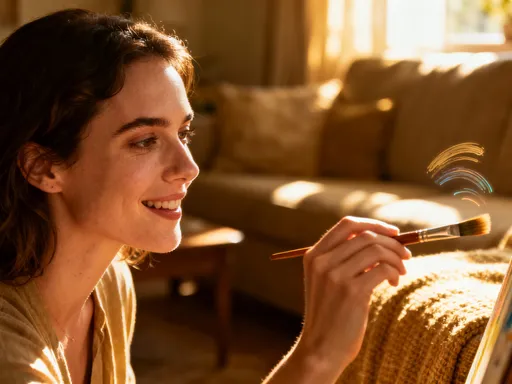
Mornings became her time for light movement. I found short, guided stretching videos—just ten minutes, with clear instructions and no fast transitions. She’d do them in her living room, in her slippers, with the windows open. “It wakes me up better than coffee,” she told me. Afternoons were for creativity. She started watching art tutorials—simple watercolor techniques, flower drawing, even calligraphy. At first, she said, “I’m not an artist,” but I encouraged her to just try. “It’s not about being perfect,” I said. “It’s about enjoying the process.” And slowly, she did.
In the evenings, she’d relax with music—old classics, folk songs from her youth, or soft piano performances. I helped her create playlists labeled “Evening Calm” and “Songs from Home.” She’d sit with a cup of tea and just listen, sometimes humming along. These weren’t grand activities. They were small, quiet moments. But together, they gave her days shape and meaning. She wasn’t just passing time. She was living it.
The key was simplicity. I made sure her tablet had only a few large icons on the home screen: “My Videos,” “Phone Me,” “Weather.” No confusing menus, no endless scrolling. I recorded a short voice note she could play anytime: “To find your videos, tap the blue square. Then pick the playlist you like.” She kept it saved and would play it if she forgot. Over time, she didn’t need it anymore. She found her way on her own.
When She Started Teaching Me Something New
The most beautiful shift happened a few weeks in. I was visiting, and as I walked in, Mom said, “Wait—close your eyes.” I did. She led me to the dining table and said, “Open.” There, in a simple vase, was a flower arrangement—delicate, balanced, thoughtful. “I made it from a video,” she said, beaming. “It’s called Ikebana. It’s Japanese flower art.”
I was stunned. Not just by the beauty of the arrangement, but by the pride in her eyes. This wasn’t just a craft. It was a statement: I am learning. I am growing. I have something to share. And in that moment, our relationship shifted. I wasn’t just the daughter checking in. I was the student, the admirer, the one being taught.
From then on, our calls changed. Instead of me asking, “How are you?” she’d say, “Guess what I learned today!” She showed me how to fold napkins into swans, how to grow herbs from cuttings, how to make a simple face mask from honey and oats. These weren’t just skills—they were invitations. Invitations to connect, to celebrate her, to see her not as someone who needs care, but as someone who has wisdom to give.
That reversal is powerful. So often, as adult children, we fall into the caregiver role. We manage appointments, organize groceries, make decisions. It’s necessary, but it can unintentionally make our parents feel dependent. When Mom started teaching me, it restored balance. It reminded both of us that she is still capable, still curious, still full of life. And that made all the difference.
Making It Work Without Tech Frustration
Let’s be real—technology can be frustrating, especially when you didn’t grow up with it. I knew I had to make this as easy as possible for Mom. No complicated setups. No passwords to remember. No confusing interfaces. I started with one device—a tablet she already had—and one account, linked to the video platform we were using.
I set it up so she only needed to tap once to get to her playlists. I named them clearly: “Morning Stretch,” “Cooking from Home,” “Garden Ideas,” “Art Time.” I made sure the text was large and the icons were simple. I showed her how to pause, play, and go back—basic functions, but important. And I stayed on the phone with her the first few times she used it alone, just to talk her through any hiccups.
When she got stuck, I didn’t say, “Just click here.” I said, “Look for the triangle. That’s the play button. It’s green.” I avoided jargon. No “Wi-Fi,” “refresh,” or “cache.” Just simple, visual cues. I also recorded a few short voice notes—like a mini user guide she could play anytime. “If the screen goes dark, tap it once. That wakes it up.” “To watch your videos, tap the big blue square.” She kept them saved and would listen when she forgot.
Over time, her confidence grew. She started exploring on her own, searching for new videos, even saving them to her own playlists. “I found a lady who grows tomatoes in pots,” she told me. “She’s from Ohio, just like your Aunt Carol.” That was the moment I knew it had clicked. She wasn’t just using the tablet. She was making it her own.
The Unexpected Emotional Ripple Effect
What started as a small experiment created ripples I didn’t expect. Mom began initiating calls—something she rarely did before. She’d call to share a new recipe she’d tried, or to ask if I’d seen a video she thought I’d like. Her voice sounded lighter, more engaged. She started dressing up a little more for our video chats, even putting on a necklace or brushing her hair. “I want to look nice,” she said. “It feels like we’re really together.”
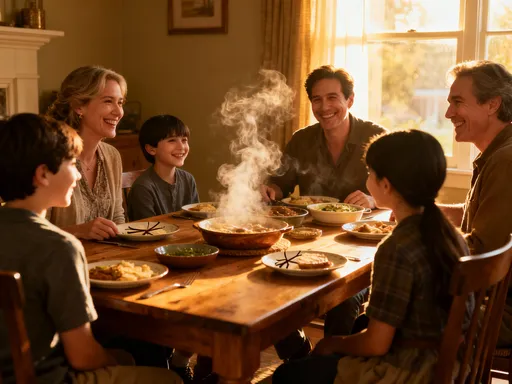
At family gatherings, she was more present. She told stories about what she’d been learning, showed off her drawings, even brought a dish she’d made from a video. My kids loved it. “Grandma’s a chef now!” my son said. And she laughed—really laughed—in a way I hadn’t heard in years.
Even her sleep improved. She told me she felt more tired at night, but in a good way—not exhausted, but satisfied. “I feel like I’ve done something,” she said. “Not just sat around.” That small sense of accomplishment made a big difference. And for me? The guilt I used to feel about not being there enough began to ease. I wasn’t abandoning her to her loneliness. I was giving her tools to thrive, even when I couldn’t be there.
It wasn’t magic. It wasn’t a cure. But it was meaningful. It showed me that connection doesn’t always require grand gestures. Sometimes, it’s a shared video, a saved playlist, a flower arrangement made with care. And sometimes, the most powerful technology isn’t the newest gadget—it’s the one that helps someone feel seen, valued, and alive.
Why This Isn’t Just About Entertainment
We often think of video platforms as places to watch shows or scroll mindlessly. But when used with intention, they can be so much more. For my mom, it became a space for learning, for creativity, for emotional nourishment. It gave her structure without rigidity, connection without pressure, and purpose without performance.
For families, this isn’t about replacing visits or outsourcing care. It’s about extending love. It’s about saying, “I may not be there every hour, but I’ve helped create a world where you can still grow, still explore, still feel joy.” It’s about turning everyday technology into a bridge instead of a barrier.
What I’ve learned is that caring for an aging parent isn’t just about safety and health. It’s about dignity. It’s about making sure they still have things to look forward to, skills to learn, stories to tell. And sometimes, the simplest tools—like a tablet and a video platform—can make the biggest difference.
If you’re worried about a parent feeling alone, don’t underestimate the power of small, intentional tech use. Start with one video. One playlist. One shared moment. You don’t need to overhaul their life. You just need to open a door. Because on the other side of that screen isn’t just content—it’s connection. It’s joy. It’s a reminder that no matter how many miles or years separate us, love can still find a way to show up, one quiet moment at a time.