More than just meetings: How online platforms helped me stay sharp and connected every day
You know that foggy feeling after back-to-back calls? I used to dread my screen time—until I realized the tools I relied on weren’t just for work. Slowly, I discovered how online meeting platforms could actually support my focus, energy, and even family moments. It wasn’t about more meetings—it was about smarter connections. This shift didn’t just improve my productivity; it quietly reshaped my daily rhythm, health, and confidence in ways I never expected. And if you’ve ever felt worn out by video calls or wondered if all this screen time is worth it, I want you to know—you’re not alone. But what if I told you the same tools that drain us can also be the ones that restore us?
The Burnout That Changed Everything
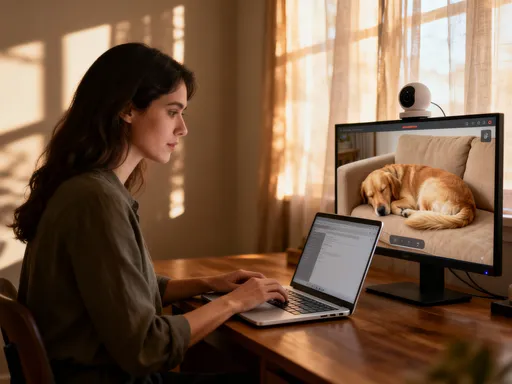
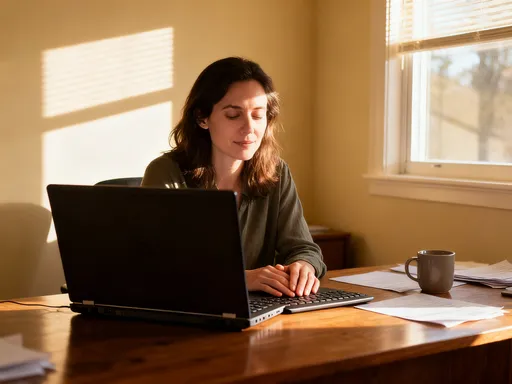
There was a time when I looked at my calendar and felt a knot in my stomach. Back-to-back video calls from 9 a.m. to 4 p.m., with barely a minute to grab water or stretch. By noon, my eyes were dry, my shoulders tight, and my mind felt like it was running on low battery. I’d sit through meetings, nodding along, but my thoughts were elsewhere—wondering if I remembered to start the laundry, if the kids had eaten lunch, or why I couldn’t focus on anything anymore. I blamed the screens. I blamed the technology. I even blamed myself for not being able to ‘keep up.’
But one afternoon, after a particularly long call where I barely contributed, I paused. I asked myself: Is it really the platform that’s exhausting me, or is it how I’m using it? That question changed everything. I realized I’d been treating every online meeting the same way—as something to survive, not something to use. I wasn’t leveraging the features. I wasn’t setting boundaries. I wasn’t listening to my body. And most of all, I wasn’t seeing the potential in these tools beyond work.
So I decided to try something different. Instead of fighting the technology, I would experiment with it. Could I use the same platform that made me tired to actually help me feel more alert, more present, more like myself? I didn’t want to work harder—I wanted to work smarter. And honestly, I just wanted to feel like I had my energy back.
Redefining the Purpose of Online Meetings
The first shift was a mindset change. I stopped seeing online meetings as just work obligations and started viewing them as anchors in my day. Think about it—our brains love routine. We feel safer, more focused, and more in control when we know what’s coming. Before, my days felt like a blur of tasks with no structure. But once I started using meeting times as mental cues, everything began to shift.
For example, I began scheduling a short morning check-in with my team at 9:15 a.m. every day. No big agenda—just a quick ‘how are we doing?’ moment. But showing up on camera, dressed and seated at my desk, became a signal to my brain: It’s time to start the day. It wasn’t just about work—it was about creating a rhythm. That small ritual helped me transition from ‘home mode’ to ‘focused mode’ without the overwhelm.
And here’s something I didn’t expect: that sense of structure spilled over into other parts of my life. Because I had a clear start to my day, I was more likely to eat breakfast on time, take a short walk after lunch, and set boundaries around my evening. The platform didn’t change—but how I used it did. It became less of a distraction and more of a support system. I wasn’t just logging in for others—I was showing up for myself.
Designing Micro-Moments of Movement
One of the biggest reasons I felt drained after calls was simple: I wasn’t moving. I’d sit in the same position for 45 minutes, barely shifting, my body stiff and my circulation sluggish. I knew I should move more, but I didn’t want to miss anything in the meeting. Then I discovered a game-changer: the mute button.
I started using speaker mode and stepping away from my laptop during discussions. While someone was sharing a report, I’d pace around the living room, do a few shoulder rolls, or even stretch my legs. As long as I unmuted to speak, no one even knew I was moving. And honestly? I felt so much better. My energy stayed steady, my focus improved, and I didn’t have that heavy, sluggish feeling by the end of the day.
These weren’t big workouts—just small, intentional movements. A walk around the kitchen while listening. A quick squat break between agenda items. Even standing up for part of the call helped. Over time, these micro-moments added up. I wasn’t just surviving the meeting—I was using it to care for my body. And the best part? I didn’t have to ‘find time’ to move. I was already at my desk. I just changed how I used that time.
My daughter even noticed. She walked in one day and said, ‘Mom, you’re dancing during your meeting!’ I wasn’t dancing, exactly—but I was swaying, shifting, staying loose. And she smiled. That little moment reminded me: when I take care of myself, my family sees it too. They feel it. And that’s worth more than any productivity hack.
Turning Audio Into a Focus Tool
Video fatigue is real. Staring at a grid of faces for hours can be exhausting—especially when you’re trying to listen, process, and respond all at once. I used to think I had to be on camera the whole time to be professional. But then I tried something radical: I turned off my video and just listened.
At first, I felt guilty. Was I being lazy? Would people think I wasn’t paying attention? But I quickly realized—I was actually listening better. Without the pressure of being seen, I could close my eyes, take a deep breath, and focus on the conversation. I started stepping outside during audio-only calls, walking around the backyard while staying fully engaged. The fresh air, the movement, the change of scenery—it all helped me think more clearly.
And here’s the truth: people didn’t mind. In fact, a few colleagues admitted they did the same thing. One told me, ‘I walk my dog during these calls—I feel more human afterward.’ That stuck with me. We don’t have to choose between being productive and being present. We can design our tech use in a way that supports both.
Now, I use audio-only mode strategically. If it’s a listening-heavy meeting, I step away from the screen. If it’s a creative brainstorm, I’m on camera, ready to engage. This simple choice gave me back control. I wasn’t trapped by the platform—I was using it on my terms. And that made all the difference in how I felt at the end of the day.
Blending Work and Well-Being Through Rituals
One of the most powerful changes I made was also the simplest: I started ending meetings with a pause. No rushing to close the laptop, no immediately checking email, no jumping to the next task. Instead, I’d close my laptop, sit back, and take three slow breaths. That’s it. Sixty seconds. But in that short space, I reset.
This tiny habit was supported by the structure of the online platform. Because meetings have a clear start and end time, it created a natural opening for this ritual. I wasn’t making extra time—I was using the time already there. And over time, this small pause became a gateway to mindfulness. I began to notice how I was feeling. Was I tired? Stressed? Accomplished? Just aware?
Sometimes, I’d jot down one thing I wanted to carry into the next hour. Other times, I’d just stretch or sip my tea. But that moment of stillness helped me transition with intention instead of rushing on autopilot. I wasn’t just going from meeting to meeting—I was showing up fully for each part of my day.
My husband noticed the change. He said, ‘You seem calmer in the afternoons now.’ I hadn’t realized it, but the constant mental clutter had been affecting my mood at home. By building in these small resets, I was bringing a quieter, more centered version of myself to my family. And that, to me, was one of the biggest wins of all.
Strengthening Family Connections, One Call at a Time
Here’s something I never thought I’d say: I started looking forward to video calls—with my family. I know that sounds strange, but hear me out. Before, video calls with my sister were rare—saved for birthdays or holidays. We both had busy lives, and it felt like too much effort to schedule something ‘just to catch up.’
Then I realized: I was using the same platform for work. Why not use it for love? I sent my sister a quick message: ‘Want to try a 15-minute call every Friday night? No agenda—just us.’ She said yes. And that small habit became one of the most meaningful parts of my week.
We don’t talk about big things every time. Sometimes it’s just, ‘How was your day?’ or ‘Did you try that new recipe?’ But seeing her face, hearing her laugh, sharing the little moments—that kept us close. And the best part? It didn’t feel like another task on my to-do list. It felt like a gift.
I even started doing short video check-ins with my mom. She’s not tech-savvy, so I helped her set up the app once, and now she can join with one tap. We see each other weekly, even if it’s just for ten minutes. She shows me her garden. I show her my latest baking fail. It’s simple. It’s real. And it keeps us connected in a way that texts or phone calls never did.
The same tool that once felt cold and corporate now feels warm and human. It’s not just for presentations or performance reviews. It’s for laughter, for love, for staying close when life pulls us apart. And that shift—from seeing technology as a chore to seeing it as a connector—changed how I move through my whole day.
Building a Smarter, More Balanced Routine
Looking back, I can see how these small changes layered into something bigger. I didn’t overhaul my life. I didn’t quit my job or go on a digital detox. I just started using the tools I already had in a more intentional way. And over time, that made all the difference.
My energy improved. My focus got sharper. I wasn’t just reacting to my calendar—I was designing my day with care. I moved more. I listened better. I connected deeper. And I felt more like myself.
The platform didn’t change. The technology stayed the same. But my relationship with it shifted—from one of exhaustion to one of support. What once drained me now helps me stay sharp, grounded, and connected. It’s not about having more meetings. It’s about making each moment count—whether it’s a work call, a stretch break, or a laugh with my sister.
If you’re feeling worn out by screens, I want you to know there’s another way. You don’t have to choose between staying connected and protecting your energy. You can do both. Start small. Try one change. Maybe it’s turning off your video to listen more deeply. Maybe it’s pacing during a call. Maybe it’s scheduling a weekly check-in with someone you love.
These aren’t big fixes. They’re small, human choices. And together, they build a life that feels lighter, clearer, and more in your control. Technology doesn’t have to drain you. Used with intention, it can actually help you thrive. And honestly? That’s the kind of tech upgrade we all deserve.