From Overwhelmed to Effortless: How Smart Settings Gave Me Back My Evenings
Living paycheck to paycheck and watching the electricity bill climb used to stress me out every month. I’d forget to turn off lights, leave the AC running, and feel guilty about wasting energy. Then I discovered smart energy-saving settings—not flashy gadgets, but simple tweaks to devices I already owned. They cut my bills, reduced my guilt, and gave me peace of mind. This isn’t about high-tech overload—it’s about working smarter, so you can relax sooner and live better, starting tonight.
The Moment I Realized My Home Was Working Against Me
It was a rainy Tuesday evening when I opened the latest utility bill and felt my stomach drop. $187. That was nearly $40 more than last month—and we hadn’t done anything different. I stood in the kitchen, damp coat still on, staring at the number like it was a personal failure. I thought back to all the times I’d rushed out the door and forgotten to turn off the hallway light, or left the space heater on in the living room overnight. I remembered telling my son for the tenth time to unplug his gaming console, only to find it glowing softly when I checked his room an hour later.
I wasn’t lazy. I cared about saving money and being responsible. But life was busy—between school drop-offs, meal prep, and late work emails, remembering every little switch felt impossible. I’d walk through the house at night like a detective, checking outlets, adjusting the thermostat, flipping switches. And still, the bill kept rising. The guilt piled up. Was I failing my family? Could we afford this? Would we have to start cutting back on groceries or canceling weekend plans?
That night, I sat at the kitchen table with a cup of tea, scrolling through my phone. I wasn’t even looking for a solution—just distraction. But then I saw a headline: “You Already Own the Tools to Save Energy. You Just Aren’t Using Them.” I paused. Me? I didn’t have solar panels or a smart home system. Just a decade-old washing machine, a laptop I used for budgeting, and a thermostat that made beeping noises when it was confused. But the article wasn’t talking about buying new gadgets. It was about using what I already had—smarter. And that’s when it hit me: what if my devices could help instead of hurt? What if the problem wasn’t me forgetting, but the fact that nothing was helping me remember?
What Smart Energy-Saving Settings Actually Are (And What They’re Not)
Let’s clear something up right away—smart energy-saving settings aren’t about turning your home into a sci-fi movie set. You don’t need voice-activated lights, robot vacuums, or a phone app that controls your toaster. What I’m talking about are the quiet, often overlooked features already built into the devices you use every day. They’re like the hidden compartments in a well-designed purse—small, easy to miss, but incredibly useful once you know they’re there.
Think of it this way: your phone, your laptop, even your Wi-Fi router has settings that can automatically reduce power use when they’re not in active use. Your thermostat might already have a schedule feature that lowers the heat at night. Your TV? It probably goes into standby mode after a while, but did you know you can adjust how quickly that happens? These aren’t upgrades. They’re tools already in your hands, waiting to be turned on.
I used to think “smart home” meant spending hundreds on new equipment. But the truth is, most of us already own devices with energy-saving capabilities—we just never explore the settings. It’s like driving a car with cruise control but never using it because you didn’t read the manual. These features aren’t complicated. They don’t require wiring or installation. And the best part? They’re usually free. No subscription, no monthly fee, no contract. Just a few taps or clicks, and suddenly, your devices are working for you instead of against you.
I like to think of them as a co-pilot for your electricity use. You’re still in control, but now you’ve got a little help. You don’t have to remember everything. The system does it for you. And over time, those small automatic adjustments—your laptop dimming after five minutes of inactivity, your smart plug turning off the coffee maker at 9 a.m.—they add up in ways you don’t even notice. Until you open your next bill.
The First 10 Minutes That Changed Everything
I decided to start small. No big plans, no overhaul. Just ten minutes one evening after the kids were in bed. I sat on the couch with my phone and a notebook, determined to make one change. But once I started, I couldn’t stop. It was like opening a door I didn’t know was locked.
First, I went to my phone’s battery settings. I turned on Low Power Mode to activate automatically when the battery dropped below 20%. I adjusted the screen brightness to dim faster when idle. Then I checked Background App Refresh—those sneaky apps that keep running in the background, using power even when I’m not touching my phone. I limited it to only the apps I really needed, like messages and maps. Just those three changes took less than four minutes.
Next, I looked at my laptop. I’d been leaving it plugged in all night, thinking it was harmless. But I learned that keeping a battery at 100% for too long can actually reduce its lifespan and waste energy. I went into the power settings and set it to stop charging at 80% and to go to sleep after ten minutes of inactivity. I also scheduled it to shut down at 11 p.m. if I forgot. That way, even if I fell asleep watching a show, it wouldn’t run all night.
Then I walked to the kitchen and plugged my coffee maker into a $15 smart plug I’d bought months ago and never used. I set it to turn off at 9 a.m. every weekday—plenty of time for morning coffee, but no risk of it staying on all day. I did the same with the lamp in the guest room that always seemed to get left on.
When I finished, only eight minutes had passed. But I felt something shift. It wasn’t just the settings—it was the relief. I didn’t have to remember anymore. The system would handle it. I remember thinking, “I didn’t even have to try.” And that was the magic. For the first time in years, I went to bed without doing my usual “energy check” tour of the house. I trusted the settings. And that trust? It gave me back my evening.
How My Family Started to Notice the Difference
The changes I made weren’t just about me. They started to ripple through our whole home. My son used to leave his tablet charging long after it hit 100%. Now, I set it to stop charging at 85%—enough for school and a little gaming, but not wasting power. At first, he didn’t even notice. But after a few days, he said, “Hey, my tablet feels cooler now.” I smiled. That was the battery thanking us.
My husband had a habit of leaving the space heater on in the living room, especially during cold months. I used to nag him about it. “Did you turn it off?” “Are you sure?” “I think I heard it running.” It became a source of tension—small, but constant. Then I got a smart plug for the heater and set it to turn off at 10 p.m. unless manually overridden. No more nagging. No more guilt. Just quiet automation.
The real moment of change came when the next electricity bill arrived. I opened it at the kitchen table, and for the first time in months, I didn’t tense up. It was $142. Down $45. I called my family into the room. “Look,” I said, pointing at the number. My daughter said, “That’s like a pizza night!” My son did a little fist pump. Even my husband looked surprised. “We didn’t change anything,” he said. But we had. We just didn’t have to feel it.
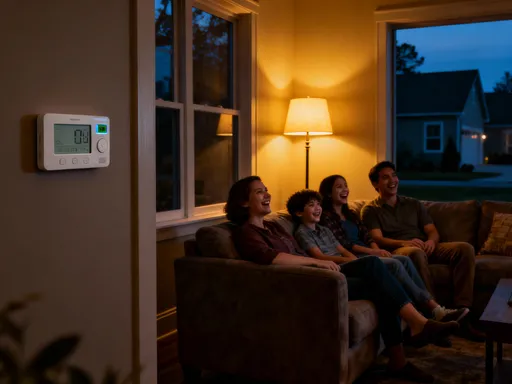
What mattered wasn’t just the money saved. It was the shift in our home’s energy—literally and emotionally. Evenings felt calmer. There was less tension around “who left what on.” We stopped worrying about waste and started enjoying our time together. I realized that saving energy wasn’t just about the planet or the budget. It was about peace. And that peace made room for more laughter, more connection, more rest.
Beyond the Bill: Time, Peace, and a Lighter Footprint
When I first started this journey, I thought the goal was a lower bill. And yes, that was wonderful. But what I didn’t expect was how much mental space it would free up. I used to carry the weight of “remembering” like a backpack full of rocks. Now, that weight is gone. I don’t lie in bed wondering if I turned off the iron. I don’t rush back into the house to check the garage light. That mental relief has given me back hours—hours I now spend reading, journaling, or just sitting quietly with a cup of tea.
I’ve also started sleeping better. Knowing that my home is running efficiently, that I’m not wasting energy or money, gives me a deep sense of calm. It’s not just about control—it’s about alignment. I’ve always cared about sustainability, but I never felt like my actions matched my values. Now, I do. Every time my laptop goes to sleep automatically or my coffee maker shuts off on schedule, I feel a quiet pride. I’m living more intentionally. And that intentionality spills over into other parts of my life—my meals, my parenting, my self-care.
There’s also a quiet confidence that comes from mastering small things. I used to feel intimidated by technology. I’d avoid settings menus, afraid I’d “break” something. But learning to use these features showed me that I’m capable. I don’t need to be a tech expert. I just need to be curious. And that curiosity has opened doors—now I explore other settings, like organizing digital photos or setting up automatic bill payments. Each small win builds on the last, creating a life that feels more manageable, more mine.
Saving energy quietly boosted my sense of accomplishment. It reminded me that I can make positive changes, even in the middle of a busy life. And that realization? It’s been more valuable than any dollar amount on a bill.
Making It Stick Without the Stress
I’ll be honest—there were moments I almost gave up. The first week, I forgot to set the smart plug for the TV. Then I accidentally turned off Low Power Mode on my phone. I felt frustrated. “Maybe this isn’t for me,” I thought. But then I remembered: this isn’t about perfection. It’s about progress. And progress doesn’t have to be fast or dramatic. It just has to be consistent.
So I started small. I picked one room—the bedroom—and focused on just two devices: the lamp and the phone charger. I set the lamp on a smart plug to turn off at 11 p.m. I set my phone to charge only up to 80%. Once that felt normal, I moved to the kitchen. Then the living room. By breaking it down, it never felt overwhelming.
I also paired new habits with existing ones. Every night, when I brushed my teeth, I checked that the smart plugs were set. It only took ten seconds, but it made the routine stick. I put a sticky note on my laptop: “Did you set sleep mode?” After a few weeks, I didn’t need it anymore.
If you’re worried about forgetting, try setting a calendar reminder for the same time each week—maybe Sunday evening, when you’re already thinking about the week ahead. Or ask a family member to check in. My daughter loves “being in charge” of the smart plug schedule. She’ll say, “Mom, did you set the heater?” And I’ll smile, because she’s not nagging—she’s helping.
The key is to be kind to yourself. If you miss a setting, it’s okay. If a device doesn’t support automation, that’s fine too. You don’t have to do everything. Just do one thing. Then another. Over time, those small actions build a home that supports you, not drains you. And that’s worth every minute.
Your Turn: A Smarter Home Starts with One Small Setting
I’m not going to tell you to overhaul your entire house tonight. That’s not the point. The point is this: one small change can start a chain reaction. It can lower your bill, reduce your stress, and give you back time you didn’t know you were losing. You don’t need to be a tech genius. You don’t need to spend a lot of money. You just need to be willing to try one thing.
So here’s my invitation: tonight, after the kids are asleep or after dinner is cleaned up, take ten minutes. Pick one device—one lamp, one charger, one appliance. Check its settings. See if it has a sleep mode, a timer, or a power-saving option. Turn it on. That’s it. You’ve just taken the first step.
Notice how it feels. Notice the relief when you don’t have to remember. Notice the quiet pride when the bill comes and it’s a little lower. These aren’t just settings. They’re small acts of care—for your wallet, your family, your peace of mind.
A smarter home isn’t about having the latest gadgets. It’s about using what you have with intention. It’s about creating a life where you’re not constantly managing, fixing, or worrying. It’s about giving yourself permission to rest, knowing your home is working quietly in the background to support you.
You deserve that ease. You deserve those calmer evenings. And you can start tonight. One setting. One change. One step toward a life that feels lighter, smarter, and more like yours.