It’s Not Just About Sleep: Apps That Helped Me Finish Tasks and Reclaim My Evenings
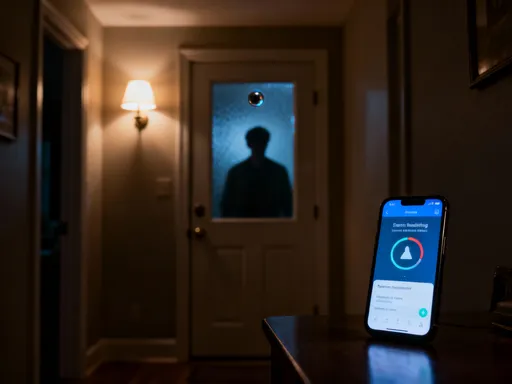
Imagine lying in bed, mind racing—not about dreams, but unfinished to-dos. I used to feel trapped between responsibilities and exhaustion. The laundry list of things I hadn’t done played on repeat in my head: the school permission slip I forgot to sign, the email I meant to send, the grocery list I never wrote. I wasn’t sick. I wasn’t lazy. I just couldn’t shut my brain off. Then I discovered sleep improvement apps that did more than guide me to rest—they reshaped how I worked, planned, and connected with my family. These tools didn’t just help me fall asleep faster; they helped me live better by making my days more focused and my nights truly restful. And honestly? That small shift changed everything.
The Nighttime Overthinker’s Dilemma
Have you ever stared at the ceiling at 2 a.m., mentally scrolling through your calendar for tomorrow, wondering how you’ll fit in the dentist appointment, the work deadline, and picking up your sister from the train station? I have. More times than I can count. For years, my nights were hijacked not by insomnia in the medical sense, but by what I now call ‘mental clutter.’ It wasn’t anxiety about health or money—though those things matter—it was the sheer weight of undone things. The kind of small tasks that don’t seem like much on their own, but together? They pile up like unopened mail on the kitchen counter.
One night, after lying awake for over an hour replaying the same three unfinished errands in my head, I finally admitted something: my sleep wasn’t broken because I drank too much coffee or watched too much TV. It was broken because my brain didn’t feel safe to rest. It was still on duty, running background checks on my to-do list. That realization hit me hard. I wasn’t just tired—I was emotionally drained from carrying the invisible load of everything I hadn’t finished. And I know I’m not alone. So many women I talk to describe the same thing: the moment their head hits the pillow is when their brain decides it’s time to get to work.
What I didn’t realize then was that this wasn’t a sleep problem first. It was a planning problem. A boundary problem. A ‘how do I stop carrying the mental load all by myself’ problem. And the solution didn’t come from drinking more chamomile tea or buying a fancy weighted blanket—though those help. It came from learning how to offload my thoughts before bedtime, so my mind could finally clock out like the rest of me.
How Sleep Apps Became My Task Managers
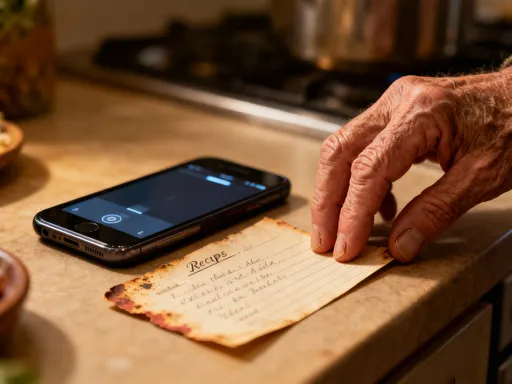
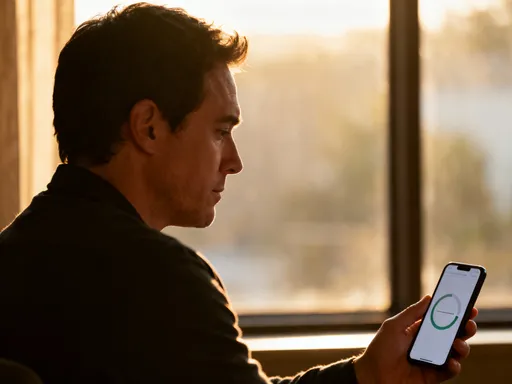
The first time I opened a sleep app expecting meditation tracks and found a ‘brain dump’ journal prompt, I laughed. ‘Write down everything on your mind,’ it said. ‘No structure. No rules. Just let it out.’ I thought, ‘That’s not going to help me sleep. That’s going to keep me up longer.’ But I was desperate, so I tried it. I opened the voice note feature and just started talking—‘Need to order birthday candles, call the vet about Luna’s shots, confirm the school field trip, figure out what’s for dinner tomorrow…’ I spoke for two minutes straight. And when I stopped, something surprising happened: I felt lighter.
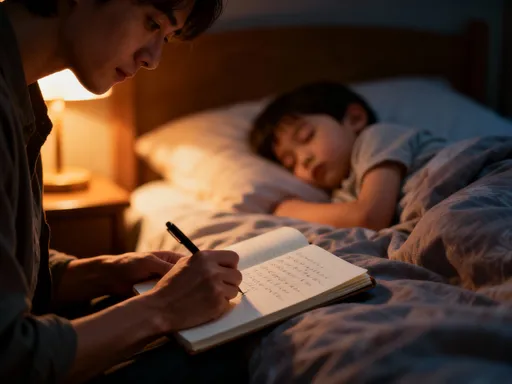
That simple act of speaking my thoughts into the app was like transferring files from an overloaded USB drive to a cloud server. My brain didn’t need to hold onto everything anymore. The app was now the keeper of the list. I didn’t have to remember it. I didn’t have to rehearse it. It was stored, safe, and accessible when I needed it—just not in the middle of the night. Over time, I started doing this ritual 30 minutes before bed. I’d open the journal section of the app, type out a few lingering thoughts, or record a quick voice memo if my hands were busy folding laundry.
What I didn’t expect was how this habit bled into my daytime routine. Because I knew I had a place to capture tasks later, I stopped interrupting dinner to jot down reminders. I stopped pausing my daughter’s bedtime story to answer a work email. I could stay present because I trusted the system. The app wasn’t just helping me sleep—it was teaching me how to work smarter. It created a mental boundary: ‘Your job today is to live. Tomorrow’s job can wait until tomorrow.’ And that peace of mind? That’s what finally helped me fall asleep without fighting my own thoughts.
The Link Between Rest and Productivity
Here’s the thing no one tells you: when you sleep better, you don’t just feel better—you do better. I used to think productivity was about pushing harder, waking up earlier, drinking more coffee. I’d set my alarm for 5:30 a.m., convinced that grinding before the kids woke up was the only way to get ahead. But I was tired, irritable, and honestly? Not that effective. I’d spend an hour writing a single email, only to reread it three times because I couldn’t focus.
Then, after a few weeks of consistent sleep—thanks to that brain dump habit and a real wind-down routine—I noticed something strange. I was getting more done in less time. Not because I was working more, but because I was thinking clearer. I could sit down and finish a project in one go. I remembered details. I made decisions without second-guessing myself. One morning, I cleared my entire inbox before 9 a.m. and actually felt calm doing it. I didn’t panic when my son called to say his soccer practice was moved. I just opened my calendar, adjusted the family schedule, and texted the carpool group. No stress. No meltdown. Just action.
Turns out, science backs this up. When we sleep well, our brain consolidates memories, processes emotions, and resets our focus. It’s like hitting ‘refresh’ on your mental browser. We’re not just rested—we’re sharper. We handle interruptions better. We manage time more wisely. And for someone like me, who wears multiple hats—mom, employee, partner, planner—this kind of mental clarity isn’t a luxury. It’s survival. Better sleep didn’t make me superhuman. It just made me capable. And that made all the difference in how I showed up for my life.
Designing a Wind-Down Routine That Works
You can’t just flip a switch and go from ‘full-speed mom mode’ to ‘deep sleep’ in five minutes. I learned that the hard way. At first, I’d try to meditate right after putting the kids to bed while still thinking about work emails. Surprise—I couldn’t relax. My body was on the couch, but my mind was still in the office. I needed a real transition. So I built a wind-down routine, and yes, I use apps to guide it—but not in the way you might think.
Every night at 8:30 p.m., my phone gives me a gentle reminder: ‘Time to unplug.’ No alarm sound, just a soft chime. That’s my signal to close the laptop, silence work notifications, and shift into evening mode. Then, for 20 minutes, I follow a guided wind-down sequence in the app—usually a mix of gentle breathing exercises, a short gratitude reflection, and a five-minute body scan. It’s not about falling asleep yet. It’s about signaling to my nervous system: ‘The day is over. You can relax now.’
Now, life happens. Some nights, the reminder comes while I’m on a call with my sister. Other nights, one of the kids wakes up sick. I don’t beat myself up when the routine gets interrupted. Instead, I’ve learned to adapt. If I miss the 8:30 cue, I do a shortened version later—just five minutes of deep breathing in the dark. If the house is loud, I use noise-canceling headphones with a calming soundtrack. The goal isn’t perfection. It’s consistency. It’s creating a rhythm that tells my body, ‘This is how we prepare for rest.’ And over time, that rhythm becomes automatic. I don’t have to think about it. I just feel it.
Involving the Whole Family Without Screens Taking Over
One of my biggest worries when I started using sleep apps was that I’d become just another parent glued to a screen at night. I didn’t want to trade one problem for another. So I made a rule: no phones in bed unless it’s for a sleep routine, and never with bright screens. But I also realized that better sleep wasn’t just my goal—it could be our family’s rhythm.
I didn’t hand my kids tablets with meditation apps. That wouldn’t work. Instead, I borrowed the structure of my app routine and turned it into a visual chart for them. Same sequence: brush teeth, put on pajamas, read a book, quiet time. I even added a little ‘brain dump’ moment—‘Tell me one thing you’re thinking about’—before lights out. It’s amazing what kids share when you give them space: ‘I’m worried I won’t make the soccer team.’ ‘I forgot to give Ms. Lee my homework.’ Just like me, they carry invisible loads.
For my partner and me, we started using a shared family calendar app synced with our sleep routines. If one of us has an early meeting, the app reminds us to adjust bedtime accordingly. If the kids have a big day tomorrow, we get a nudge to start winding down earlier. It’s not about control. It’s about care. We’re not managing schedules—we’re protecting rest. And the side effect? Fewer morning meltdowns. Fewer ‘I forgot’ moments. More patience. More laughter. More time together that doesn’t feel rushed. The apps didn’t replace family time. They made space for it.
Choosing Tools That Fit Real Life
Not every sleep app is worth your time. I’ve tried plenty that felt more stressful than helpful. Some bombarded me with notifications. Others had flashy features I never used. Some even made me feel guilty for not meditating long enough. That’s not support—that’s digital pressure. So I got picky. Now, I look for apps that feel like a quiet friend, not a demanding coach.
My top criteria? Simple design. Soft voices. Minimal pings. I want something that helps me slow down, not speed up. I stick with apps that let me use them offline—because sometimes the last thing I want is a Wi-Fi update interrupting my meditation. Privacy matters too. I don’t want my bedtime thoughts analyzed by algorithms or shared with advertisers. I want a safe, quiet space to land at the end of the day.
And here’s a tip: don’t choose an app based on how many features it has. Choose it based on how it makes you feel. If opening it makes you tense, delete it. If it feels like a chore, it’s not the right one. The best tech tools for real life don’t shout. They whisper. They support without demanding. They help you breathe, not burn out. I’ve found a few that do this well—ones with gentle transitions, warm-toned voices, and zero judgment. They don’t promise miracles. They just make the process easier. And sometimes, that’s enough.
The Quiet Transformation: More Than Better Sleep
It’s been over a year since I started this journey. I won’t pretend every night is perfect. Some days are still messy. Some nights, I still lie awake. But the difference isn’t in the number of perfect nights—it’s in how I move through life. I’m less reactive. More present. I listen better. I plan ahead instead of scrambling. I have energy for the things that matter—playing board games with my kids, cooking a real dinner, calling an old friend just to catch up.
What began as a search for better sleep became something bigger: a reclamation of my time, my focus, and my peace. I didn’t just learn how to fall asleep. I learned how to live with more intention. The apps didn’t fix me. They gave me tools to support myself. And that’s the real gift—not just more rest, but more of me.
If you’re lying in bed tonight, mind racing with everything you didn’t finish, I want you to know: it’s not just you. And it’s not just about sleep. It’s about creating systems that let you breathe, plan, and show up fully. You don’t need a perfect routine. You don’t need to do it all at once. Start small. Try one wind-down step. Use an app to capture your thoughts. Give yourself permission to rest, knowing tomorrow’s tasks will still be there—but you’ll be ready for them.
Because here’s the truth: better sleep isn’t the end goal. It’s the foundation. And from that quiet place, everything else—your work, your family, your joy—can finally grow.