From Tired to Energized: How Evening Fitness Tech Transformed My Nights
You know that moment—8 p.m., the kids are asleep, the dishes are done, and all you want is to collapse on the couch? I used to dread evenings, feeling too drained to move. But what if those quiet hours could become your most refreshing ritual? I discovered a smarter way to unwind—not with scrolling, but with gentle movement guided by simple tech that fits real life. This isn’t about intense workouts. It’s about reclaiming your energy, one calm stretch at a time. And honestly, it changed everything.
The Evening Slump: When Exhaustion Meets Guilt
Let’s be real—most of us don’t end the day feeling like fitness champions. By 7 or 8 p.m., we’ve already given so much: to our jobs, our homes, our families. The last thing we want is to lace up sneakers or roll out a yoga mat. But here’s the quiet truth many of us don’t talk about: we feel guilty for not moving. We see those morning workout posts, the 5 a.m. run selfies, and we wonder, Why can’t I do that? Or worse, we start to believe we’re just not trying hard enough.
But it’s not about effort. It’s about timing. Your body and mind aren’t broken because you’re too tired at night. In fact, that exhaustion is your body’s honest signal—it’s been working hard all day. The guilt creeps in because we’ve been sold a story: that real wellness only happens early, fast, and loud. But what if that story doesn’t fit your life? What if, instead of fighting your rhythm, you could work with it?
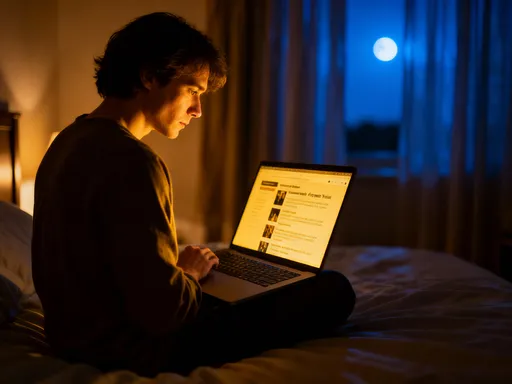
I used to sit on the sofa with my tea, scrolling through my phone, trying to ‘rest’—but my mind was still racing. I’d replay the argument with my teenager, the email I forgot to send, the grocery list I hadn’t started. My body felt heavy, but my brain wouldn’t shut off. That’s the trap so many of us fall into: physically tired, mentally wired. And in that state, even the thought of exercise feels like another chore. But then I realized something—movement doesn’t have to mean effort. It can mean release. And that’s where the shift began.
A Shift in Thinking: Fitness Isn’t Just for Mornings
We’ve been conditioned to believe that if you’re serious about fitness, you wake up at dawn. But let’s ask ourselves—does that actually work for most women in their 30s, 40s, or 50s? Between school drop-offs, work deadlines, aging parents, and household chaos, who really has the bandwidth for 5 a.m. workouts? The truth is, many of us are simply not morning people—and that’s okay. In fact, for some of us, the evening is when we finally get to breathe.
Evenings offer something mornings often don’t: stillness. The house is quieter. The to-do list is (mostly) done. And your body has had hours to warm up from the day. This is when movement can feel less like a battle and more like a gift. Think about it—after a long day of sitting, your muscles are tight, your shoulders are up by your ears, and your breath is shallow. A few gentle stretches or slow breaths aren’t just nice—they’re necessary.
And here’s the thing: science actually supports evening movement. Studies show that light physical activity in the hours before bed can improve sleep quality, reduce stress hormones, and even help regulate mood. But it has to be the right kind of movement—nothing too intense, nothing that spikes your heart rate. We’re not talking about burpees or sprints. We’re talking about slow, intentional motion that helps your nervous system shift from ‘on’ to ‘off.’ And when you pair that with tech that understands your pace, it becomes something you look forward to—not dread.
Meet the Tech: Invisible Helpers That Know Your Rhythm
Now, I know what you might be thinking—‘Tech? At night? Isn’t that the last thing I need?’ And you’re not wrong. Too many notifications, bright screens, and aggressive reminders can make us feel even more stressed. But the new generation of fitness tech isn’t about that. It’s not loud. It’s not pushy. It’s designed to support you—quietly, gently, and at your pace.
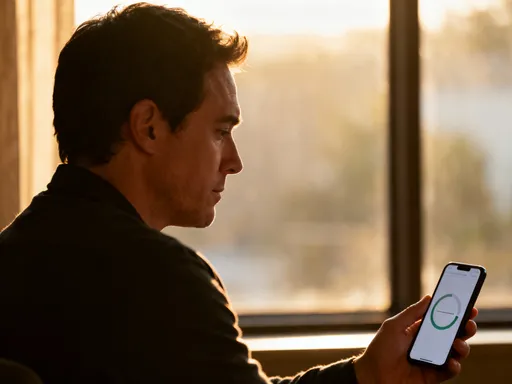
Take wearable bands, for example. Some of today’s devices can actually detect when your stress levels are high based on your heart rate variability. And instead of buzzing you with a ‘Move!’ alert, they might softly glow or send a calm voice reminder: ‘Would you like to try a 5-minute breathing exercise?’ No pressure. No guilt. Just a gentle nudge, like a friend quietly saying, ‘Hey, you’ve had a lot today. Let’s just breathe together.’
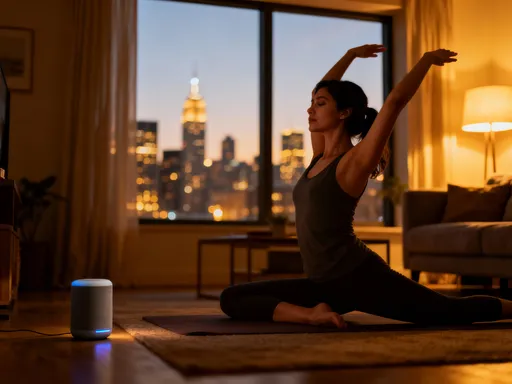
Then there are smart speakers with voice-activated wellness apps. You don’t need to unlock your phone or scroll through menus. Just say, ‘Hey, guide me through a bedtime stretch,’ and within seconds, a calm voice walks you through simple movements—neck rolls, shoulder releases, seated twists. The best part? It adapts. If you’re extra tired, it suggests shorter sequences. If you’re feeling restless, it offers longer guided sessions. It’s not about performance. It’s about presence.
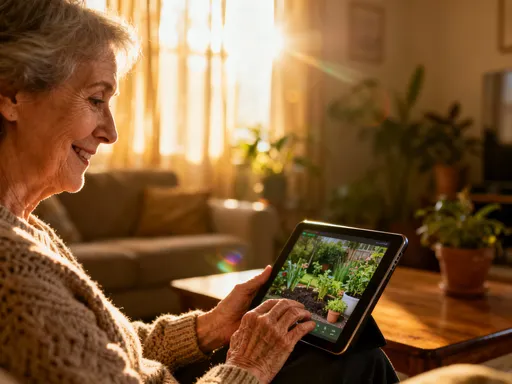
And let’s not forget tablets or phones with adaptive apps that learn your habits. Over time, they notice when you’re most likely to move and suggest routines that fit your energy. Missed a night? No shame. The app doesn’t scold you—it just says, ‘Welcome back. Let’s try something gentle tonight.’ That kind of kindness is what makes consistency possible. It’s not about discipline. It’s about support.
Lighting the Way: How Environment Shapes Movement
Here’s something we often overlook: your space matters. If your living room feels like a command center—bright lights, buzzing devices, laundry baskets everywhere—it’s going to be hard to slow down. But what if that same space could become a sanctuary? That’s where smart home tech comes in—not to complicate your life, but to simplify it.
Imagine this: at 8 p.m., your smart lights automatically dim to a warm, soft glow. No harsh overheads. Just a cozy ambiance that tells your brain, ‘It’s okay to slow down.’ At the same time, your speaker starts playing a subtle soundscape—gentle rain, distant waves, or soft piano music. You don’t have to set any of this up. It happens because your devices are synced to your evening routine.
Now, pair that with a simple movement practice. Maybe you sit on the floor with your back against the couch. Maybe you stand by the window and stretch your arms overhead. The lighting isn’t just functional—it’s emotional. It signals safety. It says, ‘This time is for you.’ And when your environment supports stillness, your body naturally wants to move in a gentle, healing way.
You don’t need a full home gym or expensive gear. A yoga mat, a cushion, and a few smart features are enough. Some people even use smart diffusers that release calming scents like lavender when it’s time to wind down. It’s all about creating layers of comfort—light, sound, scent, and motion—that work together to help you transition from ‘doing’ to ‘being.’ And when that shift happens, something beautiful follows: peace.
Real Nights, Real Results: Stories from People Like You
I’m not a fitness influencer. I don’t have a six-pack or a personal trainer. I’m just someone who was tired of feeling tired. But since I started using these small tech-supported routines, my nights have changed—and so has my life. And I’m not alone.
Sarah, a nurse from Ohio, works 12-hour shifts and often gets home after 8 p.m. She used to crash on the couch, sore and drained. But now, as soon as she changes clothes, she says to her smart speaker, ‘Guide me through a post-shift stretch.’ For ten minutes, she moves slowly—releasing tension in her lower back, stretching her hips, breathing deeply. ‘It’s not exercise,’ she told me. ‘It’s recovery. And it helps me be more present with my kids when I’m home.’
Then there’s James, a school counselor in Oregon. He doesn’t call it ‘fitness’—he calls it ‘unwinding.’ Every night, his tablet suggests a short tai chi or qigong video based on his activity level that day. ‘Some nights it’s five minutes. Some nights it’s twelve. But it always leaves me calmer,’ he said. ‘I sleep better, and I don’t carry the day’s stress into the next morning.’
And my friend Maria, a single mom of two, uses a wearable that reminds her to move when she’s been sitting too long. But instead of a harsh buzz, it gives a soft pulse and says, ‘Time to stretch, Maria.’ She does seated neck rolls or stands in the kitchen and reaches for the ceiling. ‘It’s not glamorous,’ she laughs. ‘But I feel more like myself. I have more patience. I don’t snap at my kids as much.’
These aren’t dramatic transformations. They’re small, sustainable shifts. But over time, they add up. Better sleep. Less pain. More emotional balance. And the best part? None of it requires hours, equipment, or perfection. Just a few quiet minutes, guided by tech that feels like a friend.
Getting Started Without Overthinking
If you’re thinking, ‘This sounds nice, but where do I even begin?’—I get it. The idea of adding one more thing to your day can feel overwhelming. But here’s the secret: you don’t need to do it all. You don’t need to buy anything new. You don’t need to be ‘good’ at it. Just start with what you already have.
Pick one tiny habit. Maybe it’s doing three seated stretches after you brush your teeth. Maybe it’s standing and rolling your shoulders while your tea steeps. Anchor it to something you already do every night—like washing your face or folding laundry. That way, it’s not another task. It’s part of your rhythm.
Then, bring in tech that’s already in your home. Use your phone’s voice assistant and say, ‘Play a 5-minute bedtime stretch.’ Or turn on your smart speaker and ask for calming music. No app downloads. No setup. Just simple, immediate support. If you have a wearable, check if it has gentle reminders or breathing exercises. Try one tonight. See how it feels.
The goal isn’t to ‘fix’ yourself. It’s to honor yourself. Some nights, you might only do two minutes. That’s okay. Other nights, you might feel like moving more. That’s okay too. The point is consistency, not intensity. And the more you listen to your body, the more it will guide you. You’ll start to notice: Oh, tonight I need shoulder stretches. Last night, my hips were tight. Tonight, I just need to breathe. That’s the power of tuning in—and tech can help you do that without pressure.
The Ripple Effect: How Evening Movement Changes Everything
Here’s what surprised me most: when I started ending my day with care, everything else changed. I began sleeping deeper. I woke up with less stiffness. My mood felt more stable. I had more patience during the day. Even my kids noticed. ‘Mom seems calmer now,’ my daughter said one morning. And she was right.
That’s the ripple effect of small, consistent choices. When you take a few minutes to release tension, you’re not just moving your body—you’re signaling to yourself that you matter. That your well-being is worth prioritizing. And that mindset shift carries into the next day. You carry less stress. You react less. You feel more in control.
And over time, something beautiful happens: you stop seeing movement as a chore and start seeing it as self-respect. It’s not about burning calories or looking a certain way. It’s about feeling at home in your body. It’s about giving yourself the same care you give to everyone else.
The tech? It’s just a helper. A quiet companion that reminds you, ‘Hey, you’ve done enough. Now let’s just breathe. Let’s just move. Let’s just be.’ It doesn’t replace you. It supports you. And in a world that constantly asks you to do more, that kind of support is priceless.
So if you’ve been waiting for the ‘right time’ to start—stop waiting. The right time is now. Not tomorrow. Not when the kids are older. Not when you have more energy. Now, in this quiet moment, you can begin. Say one sentence to your speaker. Do one stretch in your living room. Breathe for one minute with your eyes closed. That’s enough. That’s everything. Because small moments, repeated with kindness, create a life that feels lighter, fuller, and more yours.