I kept waking up anxious about who was at the door: This visitor system finally gave me back my sleep
For months, I’d lie awake, heart racing at every creak or unexpected knock. Living alone shouldn’t mean living on edge. Then I installed a simple visitor management system—not for a high-tech home, but for peace of mind. It didn’t just track deliveries or screen strangers; it quietly reshaped my sense of safety. Night after night, I noticed something surprising: I was falling asleep faster, staying asleep longer. Technology, I realized, wasn’t just about convenience—it could guard your calm, too.
The Nighttime Anxiety No One Talks About
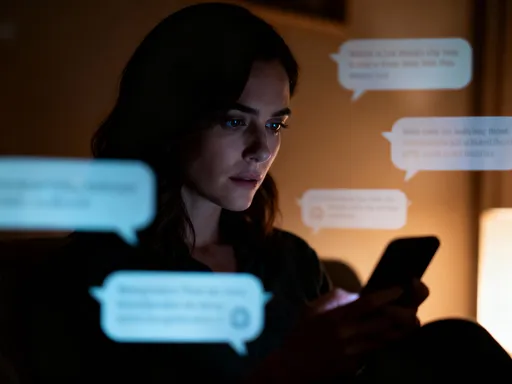
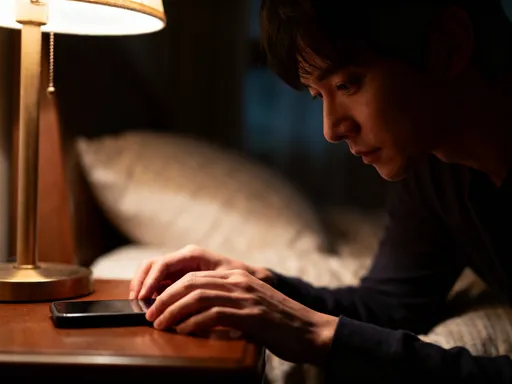
Have you ever laid in bed, perfectly still, listening to the silence—and then flinched at the faintest sound outside your door? Maybe it was a neighbor passing by, a pet scratching at a wall, or just the house settling. But in that quiet moment, your body reacts as if something’s wrong. Your breath catches. Your muscles tense. Your mind starts running through every worst-case scenario: What if someone’s trying to get in? What if I don’t hear them until it’s too late? I know this feeling all too well. For nearly a year, I lived with a low hum of anxiety that peaked every night. I wasn’t in a dangerous neighborhood. My home was secure. But still, I couldn’t shake the fear of the unknown.
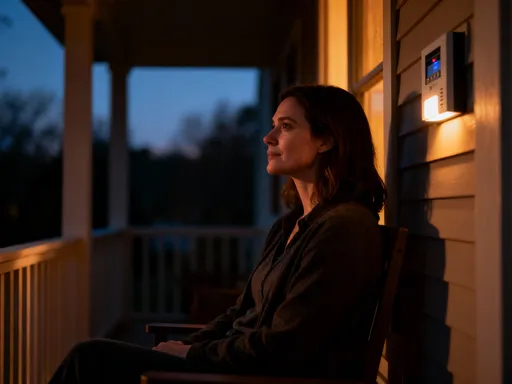
It’s not paranoia. It’s protection. Our brains are wired to stay alert to potential threats, especially when we’re vulnerable—like when we’re asleep. And for many of us, especially women living alone or managing households solo, that instinct becomes louder over time. I found myself double-checking locks before bed. I stopped answering the door after dark. I even turned off my porch light so no one would think I was home. But the irony was, I was still awake—watching, waiting, worrying. That constant state of hypervigilance took a toll. I was tired during the day, short-tempered with loved ones, and emotionally drained. I didn’t realize how much energy I was spending just trying to feel safe until I finally found a way to break the cycle.
How a Simple System Changed My Nights
It started with a small decision: I wanted to stop living in fear. Not because I was in danger, but because I deserved to feel at ease in my own home. I didn’t need a fortress. I needed clarity. So I looked into visitor management systems—something that could help me know who was at my door without opening it. I chose a basic setup: a doorbell camera with motion detection, video recording, and mobile alerts. Nothing flashy. No complex wiring. Just a small device that could show me what was happening outside, anytime.
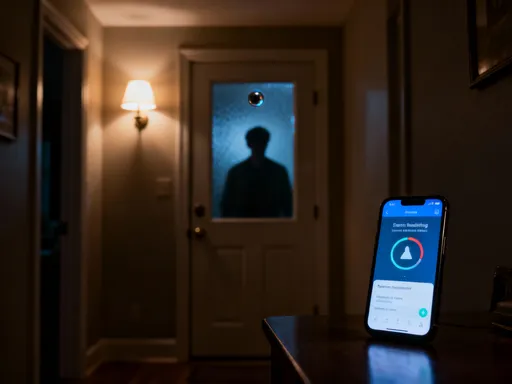
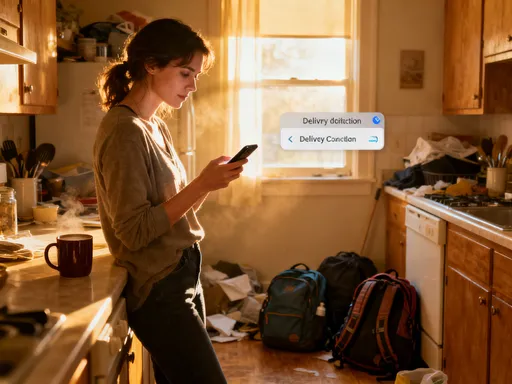
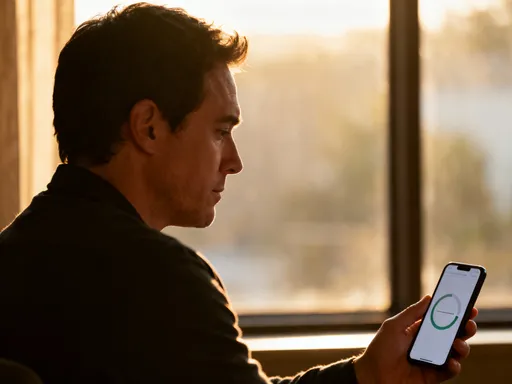
The first night I installed it, I felt a little silly. Was I really this anxious over a camera? But within hours, something shifted. Around 8:30 p.m., my phone buzzed with a notification. I opened the app—and saw a delivery driver placing a package by my door. No knock. No lingering. Just a quick drop-off. Before, I wouldn’t have known anything happened. Now, I knew. And more importantly, I knew it wasn’t a threat. That small moment of certainty calmed me in a way I hadn’t expected. The next night, another alert: a neighbor’s dog had wandered into my yard. I watched, smiled, and went back to reading. No panic. No guesswork. Just information.
Over the next few weeks, the change deepened. I stopped jumping at every sound because I could verify it. If my phone lit up, I could check in seconds. If it was nothing, I went back to sleep. If it was someone legitimate, I could respond calmly. I even used the two-way talk feature to tell a delivery person, “Just leave it by the side door!”—without ever opening it. That sense of control was transformative. For the first time in months, I wasn’t bracing for the worst. I was resting, really resting.
From Paranoia to Peace: What the System Actually Does
You might be thinking, “Isn’t that just another gadget?” And I get it. Tech can feel overwhelming—especially when it’s supposed to make life simpler. But this isn’t about having the fanciest system. It’s about having the right information at the right time. Let me break it down in plain terms. The camera watches your door. When it detects motion—like someone walking up—your phone gets a gentle alert. You open the app, and you see live video. You can watch in real time. You can listen. And if you want, you can speak through the camera, like an intercom.
That’s the game-changer: seeing before reacting. Before, a knock in the dark meant adrenaline. Now, it means awareness. I remember one evening, around 9 p.m., I got an alert. My heart did a little jump—old habits die hard. But I opened the app and saw an older woman holding a folded piece of paper. She rang the bell, then stepped back. I used the two-way talk and said, “Hi, can I help you?” She explained she was checking if a flyer she’d left was still there. That’s it. No drama. No fear. Just a simple conversation—on my terms.
The system doesn’t eliminate surprises. Life happens. But it removes the blind fear. Knowing who’s there—before I have to decide whether to open the door—means my nervous system doesn’t have to go into overdrive. And that, more than anything, is what changed my sleep. When your brain isn’t on high alert, it can relax. And when it relaxes, you can finally rest.
Sleep Science Meets Smart Design
Here’s something I didn’t know before: sleep isn’t just about darkness and quiet. It’s about safety. Our brains are wired to scan for threats, even when we’re trying to rest. If your environment feels unpredictable, your body stays in a state of low-level stress. That means more time in light sleep, less time in deep, restorative sleep. You might not wake up, but your sleep quality suffers. You wake up tired, even after eight hours.
What I’ve learned is that predictability supports peace. When your brain knows it can rely on certain cues—like knowing a noise outside is just the wind or a passing car—it doesn’t have to stay on guard. The visitor system acts like a gentle watchdog. It doesn’t bark at everything. It just lets you know when something’s worth noticing. And because I can check in without getting out of bed, without turning on lights or opening doors, the disruption is minimal.
Over time, something subtle but powerful happened: my brain started to trust the system. I didn’t have to consciously relax anymore. The awareness became background noise—reassuring, not alarming. Studies show that when people feel more in control of their environment, their cortisol levels drop, especially at night. I didn’t need a lab test to feel the difference. I just needed to notice that I was falling asleep faster, waking up less, and feeling more like myself during the day. That’s not magic. That’s design that respects human needs.
Setting It Up Without the Stress
If you’re thinking, “That sounds great, but I’m not tech-savvy,” I hear you. I felt the same way. I’m not an engineer. I don’t love reading manuals. But setting this up was easier than I expected. Most systems today are designed for people like us—people who want results, not complications. Here’s how I did it: First, I picked a camera that mounts easily near my front door. No drilling required—just adhesive or a simple screw. I made sure it had a wide-angle view so I could see the whole porch.
Next, I downloaded the app and followed the step-by-step setup. It walked me through connecting the camera to my Wi-Fi. Took about ten minutes. The hardest part was remembering my Wi-Fi password! Once it was online, I customized the settings. I adjusted the motion sensitivity so it wouldn’t alert me every time a leaf blew by. I set up activity zones—so it only notifies me when someone approaches the door, not the sidewalk.
And here’s a tip that made a big difference: I enabled the “do not disturb” mode at night. Between 10 p.m. and 7 a.m., the camera still records, but my phone doesn’t buzz unless someone rings the doorbell or lingers for more than 15 seconds. That way, I’m not waking up for every little thing. I also linked it to a smart light in my hallway. When there’s an alert, the light glows softly—just enough to let me know, without jolting me awake. Finally, I shared access with my sister, who lives nearby. She can check in if I’m away. It’s not about handing over control—it’s about having backup, like a trusted friend keeping an eye on things.
Beyond the Door: Unexpected Benefits
I thought this was just about safety at night. But the truth is, it changed more than my sleep. With that constant background anxiety gone, I had more mental space. I wasn’t carrying the weight of “what if” all day. I felt lighter. More present. I started noticing other shifts: I had more energy in the morning. I was less irritable. I even found myself smiling more—like the mental fog had lifted.
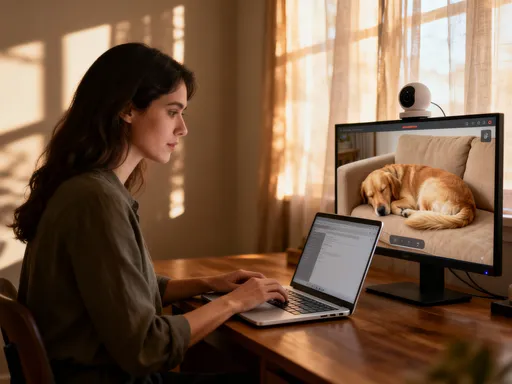
When I traveled, I didn’t worry as much. I could check the camera from my phone and see that everything was fine. No more calling neighbors to ask, “Did you see anything strange?” No more imagining the worst while I was away. And when I did have visitors—like my niece dropping off a meal—seeing her face on the screen brought a little joy. “Hey, Auntie, I left soup!” she said through the speaker. We both laughed. It became a sweet ritual.
This system didn’t make me more isolated. It made me more connected—to my home, to my peace, to the people I care about. It’s not about living in fear. It’s about living with confidence. And that confidence spills into everything: how I parent, how I work, how I show up in my life. I didn’t realize how much energy I was spending on worry until I got it back.
Why This Isn’t Just for “High-Tech” Homes
Sometimes, we think smart home tech is for someone else—someone younger, richer, or more tech-obsessed. But this isn’t about gadgets. It’s about peace. And peace shouldn’t be a luxury. The best systems today are designed to be simple, intuitive, and human-centered. You don’t need to be a programmer. You don’t need a smart speaker or a full home automation system. You just need one small tool that gives you clarity.
What matters isn’t the technology itself—it’s what it makes possible. It’s the ability to breathe deeply when you walk in the door. It’s the freedom to sleep without dread. It’s the quiet confidence that you’re not alone in protecting your space. For me, this wasn’t about building a fortress. It was about reclaiming a feeling I’d forgotten: safety as a given, not a question.
Looking back, I realize that innovation isn’t always about speed or power. Sometimes, the most powerful tech is the kind that helps you slow down. That lets you rest. That reminds you that your well-being matters. This little camera didn’t just change how I interact with my front door. It changed how I live. And if you’ve ever lain awake, wondering who’s out there—know this: you don’t have to live like that. There’s a gentler way. And it starts with seeing clearly, one quiet night at a time.