I Never Knew My Grandma’s Recipes Were Lost—Until We Started Scanning Them Together
Family recipes are more than instructions—they’re memories in disguise. For years, mine lived in stained notebooks, fading at the edges, passed hand to hand with stories I barely remembered. Then one day, my mom couldn’t find her mother’s handwritten pie crust method. That moment sparked something: what if we could preserve not just the ingredients, but the voices, the laughter, the love behind them? With simple tech tools, we began rebuilding a bridge across generations—one recipe at a time. It wasn’t about going digital for the sake of it. It was about making sure the things that matter most don’t slip away quietly, like pages crumbling in a drawer no one opens anymore.
The Recipe That Almost Disappeared
It started with a pie. Not just any pie—my grandmother’s apple pie, the kind that made the kitchen smell like cinnamon and comfort every fall. My mom had been planning to make it for Thanksgiving, something she hadn’t done in years. She pulled out the old recipe box, the wooden one with the chipped paint, and flipped through the cards. But the one she wanted—her mother’s secret crust recipe—wasn’t there. Just a torn corner stuck between two index cards, with a few smudged words: "cold butter… ice water… don’t overwork…"
That missing recipe hit harder than I expected. We asked my aunt, my cousin, even an old neighbor who used to bake with Grandma. No one had a full copy. I remember sitting at the kitchen table with my mom, both of us staring at that scrap of paper, feeling like we’d lost more than a recipe—we’d lost a piece of her. And that’s when it hit me: how many other family traditions were quietly vanishing like this? Not with a bang, but with a whisper, as the people who held them grew older or passed on.
It made me think about how much we take for granted. We assume someone else has the recipe, the story, the photo. But paper yellows. Ink fades. People forget. And when that happens, it’s not just the dish we lose—it’s the moment it was tied to. The birthday dinner. The holiday gathering after a hard year. The quiet afternoon when Grandma taught me to knead dough while telling me about her childhood. Those aren’t just memories. They’re lessons in patience, care, and connection. And without them, something in us feels a little emptier.
Why Recipes Are More Than Meals
We tend to think of cooking as just feeding ourselves. But when it’s passed down, it becomes something deeper. A family recipe is a living lesson. When I stand in the kitchen with my daughter, measuring flour the way my grandmother taught me, we’re not just making bread—we’re sharing history. She learns that food isn’t just about taste. It’s about timing, attention, and care. She learns that some things can’t be rushed. That a little extra time with your hands in the dough makes all the difference.
And it’s not just about cooking skills. Think about it: when a child helps stir a pot or measure spices, they’re doing math. When they hear why we use cinnamon instead of nutmeg in this dish, they’re learning geography and history. When they watch their grandparent’s hands move with confidence, they’re absorbing emotional intelligence—the quiet strength of someone who’s lived through hard times and still shows up with love on a plate.
I’ve seen this with my niece, who used to hate trying new foods. But when she helped her great-aunt make the family’s lentil soup—the one from back home—she tasted it and said, "This tastes like love." That’s not just a cute phrase. That’s a child connecting flavor with feeling, food with family. And that connection builds curiosity. She started asking questions: Where did this recipe come from? Who made it first? Why do we eat it on Sundays? Suddenly, learning wasn’t something that only happened in school. It was happening right there, at the stove, with steam rising and stories unfolding.
There’s research behind this, too. Studies show that children who cook with caregivers develop better focus, stronger language skills, and more emotional resilience. They learn to follow sequences, solve problems, and work with others. But more than that—they feel seen. When someone says, "This is how we’ve always done it," it tells a child: You belong. You’re part of something that came before you, and you’ll carry it forward.
The Tech That Fits Naturally Into Family Life
Here’s the good news: you don’t need fancy equipment or tech skills to start preserving these moments. The tools are already in your pocket. Your smartphone is more than a camera—it’s a memory keeper. All it takes is a few simple apps you probably already have. No complicated software. No steep learning curve. Just you, your family, and the desire to hold on to what matters.
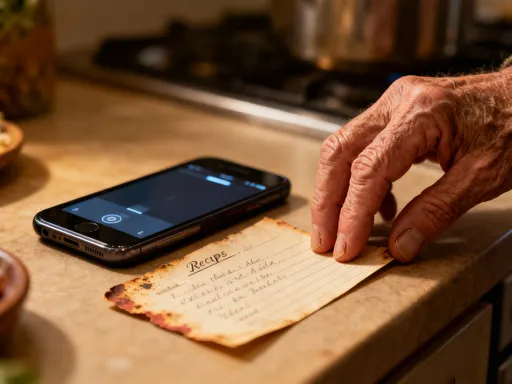
When we started, I downloaded a free scanning app—nothing special, just one that turns photos into clear, readable documents. I opened my grandmother’s old notebook, carefully turned the pages, and took a picture of each recipe. The app cleaned up the shadows, straightened the angles, and saved each one as a PDF. Suddenly, those smudged, fragile pages were sharp, searchable, and safe from spills or fire or time.
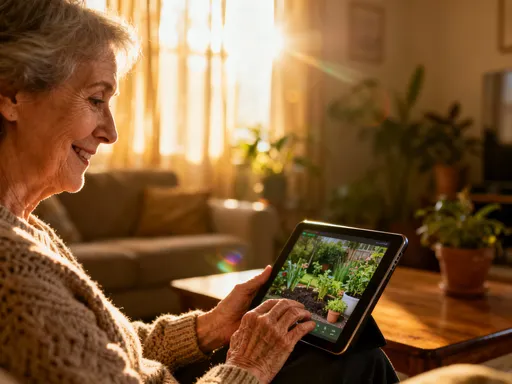
We stored them in a shared cloud album—something easy, like Google Photos or iCloud. That way, everyone in the family could access them, no matter where they lived. My cousin in Chicago can pull up Grandma’s pie crust recipe on her tablet while prepping for dinner. My mom can send it to her church cookbook committee without worrying about losing the original. And if one day my daughter wants to make it, she’ll have it—exactly as it was written, with the same looping cursive and coffee stains.
But we didn’t stop at pictures. We used the voice memo app to record my mom talking through the steps, just like Grandma used to do. "You know, she’d always say, ‘If the dough fights you, walk away for ten minutes. Let it rest. Come back calm.’" That’s not just instruction. That’s wisdom. And now, when I play that recording, I don’t just hear the words—I hear her voice, her laugh, the way she’d pause to think before answering. It’s like having her in the kitchen with us again.
Turning Scans Into Shared Stories
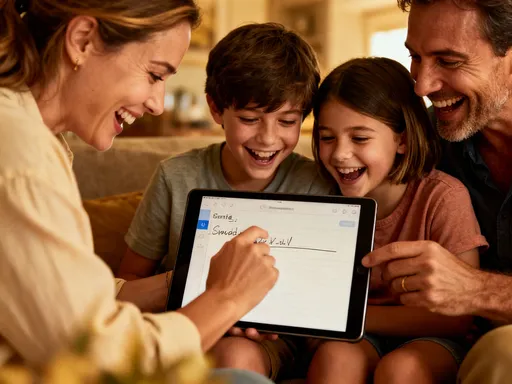
Once we had the recipes saved, we made them come alive. We created a shared digital album—not just for photos, but for memories. For each scanned recipe, we added voice notes, photos, and little stories. When we uploaded the apple pie recipe, my mom recorded a memory: "This was the first pie I ever made alone. I was sixteen. I burned the crust, but Grandma said, ‘Next time, lower the rack. And always trust your nose.’"
My daughter added her own note: "Can we make this for my birthday?" And my aunt responded: "Of course! And I’ll teach you how to crimp the edges like she showed me." These little exchanges turned a static recipe into a conversation—something that grew with us, instead of staying frozen in time.
It became a project the whole family could join, no matter the age. My nephew, who’s ten, recorded himself asking, "Why do we use Granny’s apples and not store ones?" My mom answered: "Because they’re from the tree she planted. And they taste like sunshine and dirt and memory." That moment? That’s learning. That’s legacy. And it’s happening because we took a few minutes to press record.
Schools talk about engagement and interactive learning, but this is the real thing. Kids listen more when it’s family. They remember more when it’s personal. And they care more when they’re part of the story. By turning recipes into multimedia projects, we’re not just saving food—we’re building emotional literacy, language skills, and a sense of identity.
Learning Grows With Every Dish Made Together
Here’s something I didn’t expect: the more we cooked from these digitized recipes, the more confident we all became. At first, my daughter was nervous—what if she messed up the measurements? What if the cake sank? But we started small. We made the banana bread recipe, the one with the stained corner and my grandmother’s note: "Best on a rainy day."
We took pictures of each step. We saved them in the same folder as the recipe. Over time, we had a visual timeline: her first try (a little lopsided), her second (better texture), her third (perfect golden top). Seeing that progress—her progress—made her proud. "I did that," she’d say, pointing to the photo. And she did. Not just the baking, but the learning. The trying. The not giving up.
And it wasn’t just her. My mom, who used to hesitate in the kitchen, started leading again. She’d say, "Let me show you how she rolled the dough." And I’d watch her hands move with certainty, passing on what she’d learned decades ago. In those moments, the roles shifted. She wasn’t just the elder. She was the teacher. And we—her daughter and granddaughter—were the students, eager and respectful.
That’s the magic of repeating a recipe: it’s practice, but it’s also presence. Each time you make the dish, you’re not just following steps. You’re reconnecting. You’re saying, I remember you. I honor you. I’m keeping this alive. And in return, you gain something too—patience, focus, and the quiet joy of creating something with your hands and heart.
Making It Easy for Any Family to Start
If you’re thinking, This sounds nice, but I’m not tech-savvy, I get it. I felt the same way. But this isn’t about being perfect. It’s about being present. You don’t need to digitize every recipe in one weekend. You don’t need special equipment. Just start with one.
Pick the dish that means the most—your mom’s soup, your grandfather’s pancakes, the cake your sister always makes for birthdays. Find the recipe, even if it’s just a torn piece of paper. Take a photo with your phone. Use a free scanning app to clean it up. Save it in a folder labeled with the recipe name and the person who wrote it.
Then, record a memory. It can be short—just thirty seconds. "This was my go-to meal after the kids were born." Or "We ate this every Sunday after church." Or even "I have no idea why it’s called ‘blackbird pie,’ but Grandma loved it." Save that audio with the photo.
Share it with one person. Send it to your sister. Text it to your cousin. Say, "Look what I found. Want to help me save more?" That’s how it begins. Not with a big project. With a small act of love.
And if the recipe gets a little blurry? If the voice cracks? If the lighting’s bad? That’s okay. Imperfection is part of the story. It shows this was real. This was lived. This was yours.
A Legacy That Keeps Teaching
What we’re really building isn’t just a digital recipe box. We’re creating heirlooms—living ones. These aren’t meant to be locked away in a drawer. They’re meant to be used, shared, changed, and passed on. A generation from now, my granddaughter might make that apple pie, listen to my mom’s voice, and smile at the way she says, "Don’t overwork the dough." And in that moment, she’ll know she’s connected—to me, to my mom, to her great-grandma, to a line of women who believed in the power of food to heal, to gather, to love.
But the gift isn’t just for the future. It’s for right now. Every time we open that shared album, every time we cook from those scanned pages, we’re choosing connection over distraction. We’re saying, This matters. We matter. In a world that moves too fast, this is our anchor. Our rhythm. Our reminder that the best things in life aren’t bought—they’re made. With flour, with butter, with memory, with care.
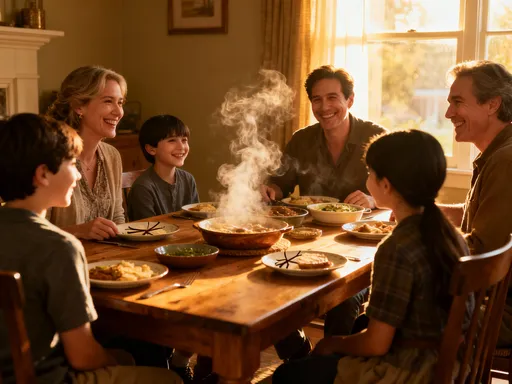
And maybe, just maybe, the most important ingredient wasn’t in the recipe all along. Maybe it was us—the ones willing to pause, to listen, to press record, to say, I want to remember this. I want to pass it on. Because that’s how legacies are built. Not in grand gestures. But in quiet moments, around a table, with a spoon in one hand and a story in the other.