More Than Notes: How a Simple App Brought Our Family Closer Every Day
Family life moves fast—between school runs, work deadlines, and grocery lists, it’s easy to lose track of the little things that matter. I used to miss my daughter’s art show because a note got buried in my bag. But everything changed when we started using a shared family note app. It wasn’t just about reminders; it became our digital heartbeat, keeping us connected, calm, and truly present. This is how it quietly transformed our everyday chaos into connection. What began as a simple fix for missed messages grew into something deeper: a shared space where love, care, and coordination live side by side. And the best part? It didn’t require a tech upgrade or a lifestyle overhaul—just one small change that made every day feel a little more together.
The Messy Reality of Modern Family Life
Let’s be honest—most of us are just one spilled coffee away from losing it completely. Mornings begin with someone missing their shoes, someone else forgetting their lunch, and someone—probably me—running late because the calendar said nothing about a dentist appointment. We’ve all tried the systems: sticky notes on the fridge, texts flying back and forth, mental lists we swear we’ll remember. But real life doesn’t follow neat systems. Kids grow, schedules shift, and suddenly, the note about the school play is crumpled at the bottom of a backpack, unread.
I remember the moment it hit me. My daughter stood on stage, eyes scanning the crowd, and I wasn’t there. A simple message had been sent—“Art show at 2 PM”—but it drowned in the sea of work emails and grocery reminders. The guilt stayed with me for weeks. It wasn’t just about missing an event. It was about missing a moment. And I realized, we weren’t failing because we didn’t care. We were failing because we were relying on broken tools. Our methods weren’t built for the pace of modern family life. We needed something that could keep up—something that didn’t just store information, but helped us actually live it.
What we needed wasn’t another app that promised perfection. We needed one that embraced the mess. One that understood that families aren’t spreadsheets—they’re full of emotions, surprises, and last-minute changes. The goal wasn’t control. It was connection. And that’s when I started looking for a tool that didn’t ask us to change who we were, but simply helped us stay in sync.
Discovering the App That Actually Fits Our Rhythm
I wasn’t searching for a tech revolution. I just wanted fewer missed moments. A friend mentioned how her family used a shared note app—not for flashy features, but for quiet, everyday connection. I’ll admit, I was skeptical. I’d tried productivity tools before. They felt cold, complicated, like homework. But this one was different. It wasn’t about tracking every minute or optimizing efficiency. It was about creating a shared space where everyone could speak, be heard, and feel included.
The first time I opened it, I didn’t see a dashboard of tasks. I saw a note from my son: “Mom, don’t forget my soccer game is on Wednesday now.” Simple. Sweet. And sent directly to our family board. No text chain. No risk of it getting lost. Just there, waiting. I added a grocery list, tagging my partner to pick up apples on his way home. He responded with a voice note: “Got it—and I’ll grab your favorite tea too.” That small exchange warmed me more than any automated reminder ever could.
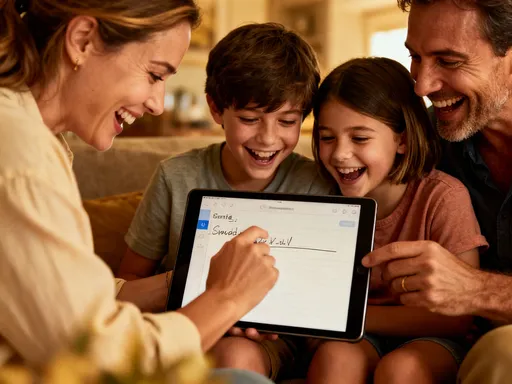
What made it work wasn’t the technology—it was how human it felt. My 10-year-old could add her spelling test date with a doodle. My partner could drop in a photo of a recipe he wanted to try. It wasn’t about digital perfection. It was about presence. We weren’t using it to replace conversation. We were using it to protect the moments that matter. And slowly, without even realizing it, we started checking in not just to stay organized, but to feel close.
Turning Chaos into Calm with Smart Organization
The real shift happened when we stopped seeing the app as just a to-do list and started using it as our family’s central hub. We began tagging notes by person, urgency, and even location. Need dog food? Tag it “pet supplies” and assign it to whoever’s near the store. Piano lesson rescheduled? A quick update appears for everyone—no more double-checking, no more “I thought you were handling it.”
One of the biggest changes was eliminating the cross-texting. Remember those endless message chains? “Did you pick up the dry cleaning?” “No, I thought you did.” “Wait, did we even have a pickup?” That stopped. Now, tasks live in the app, visible to all. Assignments are clear. Deadlines are set. And if someone’s running late, a quick update keeps everyone in the loop. It’s not about blame—it’s about clarity. And that small shift reduced so much tension.
We also started using location-based reminders. When I walk past the pharmacy, the app gently nudges me about the prescription refill. My partner gets a prompt about picking up the kids when he leaves work. These aren’t intrusive alerts—they’re helpful nudges that fit into our routines. We’re not chasing information anymore. The information comes to us, at the right time, in the right place. It’s like having a calm, organized friend quietly helping us through the day.
And because everything is in one place, we’ve stopped duplicating effort. No more buying the same groceries twice because no one knew what was already in the house. No more scheduling conflicts because someone missed a meeting invite. The app became our shared memory—one that doesn’t forget, doesn’t get tired, and never judges when we’re running late.
Building Connection Through Small, Daily Moments
Here’s what surprised me most: the app didn’t just help us manage tasks. It helped us feel closer. It became a space for love as much as logistics. My son started leaving voice notes: “Mom, I drew you a picture—look for it on the fridge!” Hearing his voice during a stressful workday lifted my mood instantly. My daughter began adding little doodles to her reminders—a smiley face next to her homework list, a heart on her dentist appointment.
We created a shared “gratitude jar” note where anyone could add something they were thankful for. Some days it’s small: “I’m glad it’s sunny.” Other days it’s deeper: “I’m grateful we ate dinner together.” Reading those entries became a ritual. On tough days, scrolling through them reminded us of the good. It wasn’t performative. It was real. And it taught our kids that appreciation isn’t just for holidays—it’s for Tuesdays, too.
One evening, I found a note from my partner: “Remember our first picnic? I still think about it.” I smiled, added a photo from that day, and wrote back, “Me too. Let’s do it again.” That simple exchange sparked a weekend plan, a real date, and a memory in the making. The app didn’t create the love—we did. But it gave us a place to express it, to keep it alive, even when life gets loud.
These moments didn’t replace deep conversations. But they built a foundation of care. They reminded us we were seen, even when we were busy. And over time, that consistent thread of connection made us feel more like a team, less like roommates just passing in the hallway.
Teaching Kids Responsibility—Without the Nagging
As parents, we all know the nagging cycle: “Did you pack your gym clothes?” “Did you finish your project?” “Where’s your permission slip?” It’s exhausting—for us and for them. I wanted a way to help my kids stay on track without becoming the household enforcer. That’s when I realized the app could be a teaching tool, not just a task manager.
Instead of shouting reminders, I started leaving gentle notes. “Hey sweetie, don’t forget your library book is due tomorrow!” with a little sun emoji. At first, my daughter ignored it. But when she remembered on her own the next time, I praised her: “You checked the app and remembered—so proud of you!” That small recognition made her want to do it again.
Now, she checks the app every morning before school. She adds her own reminders—“Band practice Thursday,” “Bring money for field trip”—and even tags me when she needs help. It’s not about control. It’s about trust. She’s learning to manage her responsibilities in a safe, supportive space. And I’m learning to let go, knowing she has a system that helps her grow.
My son uses it differently. He loves adding photos—of his science project, his soccer trophy, even his messy bedroom with the caption: “Help needed!” It’s his way of asking for support without feeling scolded. And because he sees his contributions valued, he’s more likely to take initiative. The app became a bridge between independence and guidance—one that respects their growing autonomy while still offering a safety net.
Keeping Extended Family in the Loop, Effortlessly
One of the most beautiful side effects was how it brought our extended family closer. My parents live a few hours away, and before, they’d call every week asking, “What’s new with the kids?” Now, we share updates in a private family folder—photos from the school play, a video of my daughter’s dance recital, even scanned permission slips so Grandma can see what’s coming up.
They don’t need to be on every text chain. They don’t get bombarded with notifications. But they feel included. My mom left a note under a photo of my son’s birthday cake: “I wish I could taste a slice!” He wrote back: “Next time, you’re invited!” That simple exchange meant more than a dozen group texts ever could.
We also use it to plan visits. Instead of juggling calls and emails, we create a shared “Grandparents’ Visit” board with schedules, meal plans, and activity ideas. Everyone can add suggestions. My dad put in: “Teach me how to play that video game with you.” My daughter responded with a doodle of them playing together. It’s not just planning—it’s bonding.
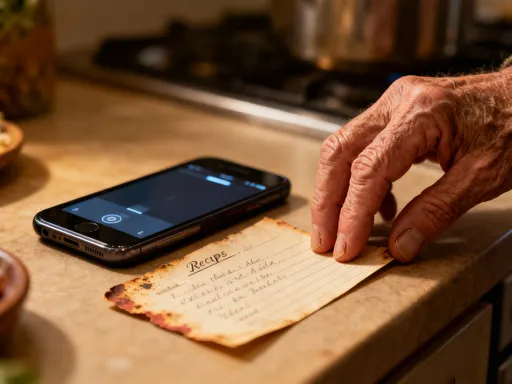
Even recipe requests became a way to connect. My aunt shared her famous apple pie recipe in a note titled “For Thanksgiving.” We tried it, sent a photo of the finished pie, and added our tweaks. Now it’s “our” version. These small digital exchanges keep the family thread alive, even when we’re miles apart. It’s not about replacing visits. It’s about making the time between them feel a little fuller.
How This Small Tool Changed Our Family Culture
Looking back, I realize the app didn’t just change how we organize. It changed how we relate. We’re more thoughtful. We pause before reacting. We assume good intent because we see each other’s efforts—notes left, tasks completed, moments shared. We’re less reactive, more responsive. And that shift has softened the edges of our busiest days.
Our communication became more intentional. Instead of snapping, “Why didn’t you tell me?” we now say, “I saw your note—thanks for letting me know.” We celebrate small wins: “You remembered the milk!” “You added your homework on your own!” These aren’t grand gestures, but they build a culture of appreciation and teamwork.
The app didn’t solve every problem. We still have messy mornings and forgotten items. But now, when things go wrong, we have a shared space to reset. A simple note—“Rough morning. Let’s regroup at dinner?”—can shift the whole tone of the day. It’s not about perfection. It’s about repair. And that’s made all the difference.
Most importantly, it’s helped us stay present. Because the logistics are handled, we can focus on what really matters—being together. We’re not constantly chasing information. We’re not second-guessing each other. We’re free to listen, to laugh, to just be. And in a world that pulls us in a hundred directions, that’s a gift.
This isn’t about tech for tech’s sake. It’s about using a simple tool to create a calmer, more connected family life—one note at a time. It’s not flashy. It won’t win design awards. But it holds our love, our chaos, our everyday magic. And if you’re feeling overwhelmed, I’ll say this: try one small change. Find a space—digital or otherwise—where your family can come together, not just to manage, but to connect. Because the little things? They’re not so little after all.