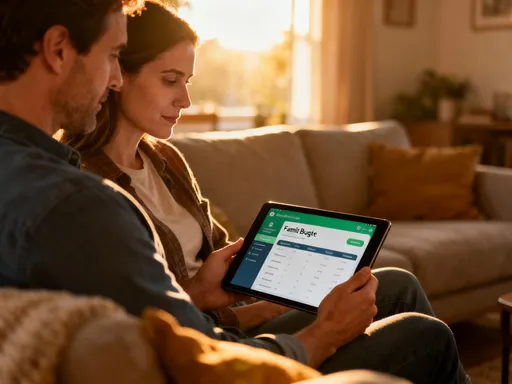
Why Are You Still Stressing Over Bills When Your Phone Can Handle Them for You?
Let’s be real—how many of us actually enjoy sorting through receipts, logging expenses, or staring at a spreadsheet every Sunday night? It’s time-consuming, stressful, and honestly, a little outdated. What if your phone could quietly take care of all that—no effort, no stress? I used to dread budgeting too, until I discovered how simple it can be with the right app. This isn’t about tech for tech’s sake—it’s about giving yourself space to breathe, plan, and live with more clarity. Imagine opening your phone and instantly knowing where your money went this week, without lifting a finger. That peace of mind? It’s not a fantasy. It’s happening for thousands of women just like you—mothers, caregivers, professionals, and homemakers—who’ve finally said, “Enough is enough,” and let technology do the heavy lifting.
The Daily Money Struggle Is Real (And Totally Avoidable)
How many times have you opened your bank statement and thought, Where did all that money go? You’re not alone. Most of us have been there—juggling grocery runs, school fees, birthday gifts, and the endless stream of small purchases that somehow add up to a shockingly large number by month’s end. One coffee here, a quick online order there, and suddenly your “fun money” is gone before the second week. The real issue isn’t overspending—it’s the lack of awareness. We weren’t born knowing how to track money, and let’s be honest, no one taught us how to do it without feeling overwhelmed.
For years, I thought the problem was me. I’d try budgeting with notebooks, spreadsheets, even color-coded envelopes. But life kept getting in the way. Sick kids, last-minute errands, surprise car repairs—these things don’t wait for a balanced ledger. Every time I fell behind, I felt guilty. That guilt turned into stress, and that stress started affecting how I showed up at home. I was short-tempered, distracted, and constantly worried. But here’s what I’ve learned: the problem isn’t your willpower. The problem is the system. Manual tracking asks you to be perfect—and none of us are. We’re busy, we’re tired, and we’re doing our best. What we need isn’t another chore. We need tools that fit into our real lives, not another thing to manage.
That’s why so many women are turning to digital solutions. Not because they’re tech experts, but because they’re tired of carrying the mental weight of money. They want to stop guessing and start knowing. And the good news? You don’t have to choose between being organized and being human. There’s a better way—one that works with your life, not against it. It starts with letting go of the idea that managing money has to be hard. Because with the right tools, it’s not.
How Expense Tracking Apps Quietly Take Over the Work
Think about your phone. It already knows when you wake up, how many steps you’ve taken, and even how well you slept. So why shouldn’t it help you with your finances too? That’s exactly what modern expense tracking apps do—they act like a quiet, reliable assistant who’s always watching your back. These apps connect securely to your bank accounts, credit cards, and even digital wallets, pulling in every transaction as it happens. No more saving receipts, no more manual entry. You buy groceries, the app logs it. You pay a bill, it records it. You forget about a subscription renewal? The app notices—and reminds you.
But it’s not just about recording numbers. These apps learn your habits. They categorize spending into things like “groceries,” “gas,” “dining out,” or “kids’ activities,” so you can see exactly where your money is going. And here’s the game-changer: they alert you when you’re close to your limit in any category. Imagine getting a gentle notification that says, “You’ve spent 85% of your dining budget this month.” That’s not judgment—it’s support. It’s like having a friend who quietly taps you on the shoulder before you overspend.
And the best part? You don’t have to do anything. Once it’s set up, the app runs in the background, just like a fitness tracker or a weather app. You don’t need to check it every day. You can glance at your weekly summary while your coffee brews or review your spending while waiting to pick up the kids. It’s effortless. No more Sunday night spreadsheet sessions. No more panic when the credit card bill arrives. Just clarity, one automatic update at a time.
I remember the first time I saw my spending broken down by category. I was shocked to see how much I spent on takeout during busy weeks. But instead of feeling bad, I felt empowered. I had information—real, clear data—and with that, I could make a change. That’s the power of automation: it doesn’t shame you. It shows you the truth, gently, so you can decide what to do next.
From Chaos to Calm: A Real-Life Shift
Sarah, a schoolteacher and mom of two, used to avoid checking her bank account. “Every time I looked, I felt guilty,” she told me. “Not because I was spending recklessly, but because I had no idea where the money was going. I’d promise myself I’d track it, but by Wednesday, I’d fall behind.” She tried budgeting apps before but gave up, thinking they were too complicated. Then a friend recommended a simple one with automatic syncing and clear visuals. She decided to give it one more try—just for two weeks.
Within days, she noticed something strange: her “entertainment” category was unusually high. She dug deeper and discovered she was paying for two streaming services—Netflix and Hulu—plus a meditation app she hadn’t used in months. She canceled the extras and saved over $20 a month. “It felt like finding money in my pocket,” she said. But the real win wasn’t the savings—it was the peace of mind. “I stopped dreading my bank balance. I started feeling in control.”
And that shift changed everything. She was less anxious, more present with her kids, and even started planning a small family trip she’d been putting off. “When money feels manageable, you stop carrying that weight around,” she said. “I have more energy for the things that matter.”
Sarah’s story isn’t unique. I’ve heard it over and over—from women who thought they were bad with money, only to realize they just needed the right tool. These apps don’t make you richer overnight, but they do something more important: they give you back your mental space. And when you’re not constantly worrying about money, you have more room to breathe, to plan, to dream.
Making It Effortless: How to Set Up Your App in Under 10 Minutes
You might be thinking, “This sounds great, but I’m not tech-savvy.” I get it. I used to think the same thing. But here’s the truth: setting up an expense tracker is easier than most people expect. You don’t need to be a genius. You just need 10 minutes and your phone.
First, pick a well-known app. Look for one with good reviews, strong security, and a simple interface. Most of these apps are free to start, with optional upgrades if you want more features. Once you’ve downloaded it, open the app and follow the setup steps. It will ask you to link your bank accounts and credit cards. This sounds scary, but it’s actually very secure. These apps use bank-level encryption—just like your online banking—and they don’t store your login details. You’re not giving them access to your money; you’re just letting them read your transaction history.
Next, set up your budgets. Start with big categories: groceries, gas, dining out, entertainment, household supplies. You don’t need to be exact. Just think about what feels realistic. If you usually spend around $400 on groceries, set that as your monthly limit. The app will track your progress and let you know when you’re close. You can adjust these numbers anytime—there’s no penalty for changing your mind.
Finally, turn on notifications. This is the secret sauce. Alerts keep you informed without requiring constant checking. You can choose what to be notified about—like when you’re near your budget limit or when a bill is due. Then, close the app and go on with your day. Let it work for you. You don’t need to check it daily. Once a week, take a few minutes to review your summary. That’s all it takes to stay on track.
Smarter Spending, Not Tighter Belts
This isn’t about living with less. It’s about spending with more intention. One of the biggest myths about budgeting is that it means cutting out all the things you love. But that’s not true. The goal isn’t to deprive yourself—it’s to make sure your money is going where it matters most to you.
When you can see your spending clearly, you start making conscious choices. Maybe you realize you’re spending a lot on clothes, but it’s not bringing you joy. Or maybe you see that you rarely eat out, but you love cooking for your family. The app doesn’t tell you what to do. It just shows you the facts. And with that information, you can decide: Do I want to spend less on clothes and put that toward a family dinner out? Or maybe save for a weekend getaway?
I had a friend who discovered she was spending $150 a month on coffee and snacks at work. She didn’t drink that much coffee—most of it was impulse buys during stressful moments. Once she saw the number, she decided to bring her own thermos. She saved money, yes, but more importantly, she felt proud of herself. “It wasn’t about giving up coffee,” she said. “It was about taking control.”
That’s the shift: from mindless spending to mindful choices. And the beauty is, it doesn’t have to be dramatic. Small changes add up. Packing lunch twice a week, canceling a forgotten subscription, or skipping one impulse buy can free up enough for something meaningful—like a gift for a loved one or a class you’ve always wanted to take. You’re not cutting back—you’re redirecting. And that feels powerful.
Building a Healthier Relationship with Money
Money isn’t just about numbers. It’s tied to emotions—fear, guilt, pride, hope. For so many of us, money has been a source of stress, not security. We’ve been taught to hide it, worry about it, or argue over it. But what if it didn’t have to be that way? What if money could feel calm? Secure? Even empowering?
When you automate your tracking, something shifts. You stop fearing your bank balance. You stop dreading the end of the month. Instead, you start seeing money as a tool—a way to care for your family, support your dreams, and build a life you love. Parents feel more confident planning for school supplies, extracurriculars, or college funds. Single women feel more secure in their independence. Couples find they argue less about spending because they both have visibility and control.
And sleep? Better. Mood? Lighter. Relationships? Stronger. When you’re not carrying the weight of financial uncertainty, you have more space for joy. You’re not just managing money—you’re transforming your relationship with it. And that’s not a small thing. It’s life-changing.
I’ll never forget the moment I realized I hadn’t checked my bank account out of fear in over a month. I checked it because I wanted to—because I was curious, not anxious. That was the day I knew something had really changed. I wasn’t just using an app. I was living differently.
Looking Ahead: Small Changes, Big Freedom
Think about where you want to be a year from now. Maybe it’s a family vacation. A new kitchen appliance. A rainy-day fund that actually exists. Or maybe it’s just feeling calm when the bills come in. Whatever your goal, here’s the truth: it’s within reach. And the first step isn’t a huge sacrifice. It’s simply letting your phone help you see where your money goes.
These small, daily shifts—automated tracking, gentle alerts, weekly check-ins—free up mental space. And when your mind isn’t cluttered with money worries, you have room for bigger things. You can plan that trip. Start that side project. Take that class. You’re not just saving money. You’re gaining time, clarity, and confidence.
And that’s the real upgrade. Not the app itself, but what it makes possible. It’s not about being perfect with money. It’s about being present with your life. It’s about knowing your numbers so you don’t have to think about them. It’s about turning stress into strength, chaos into calm, and fear into freedom.
So ask yourself: Why are you still doing this the hard way? Your phone is already in your hand. It’s already working for you in so many ways. Let it help with your money too. Not because you’re behind. Not because you’ve failed. But because you deserve to feel in control. Because you deserve peace. And because the tool to get there is already in your pocket—waiting to make your life a little lighter, a little clearer, and a lot more free.