How I Tackled Early Education Costs Without Stress—A Real Financial Planning Journey
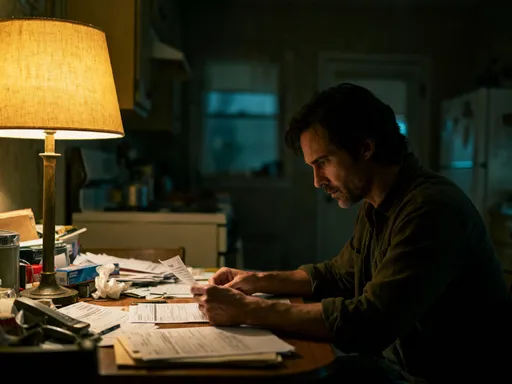
Paying for my child’s early education felt overwhelming at first—endless fees, unexpected expenses, and the fear of falling behind. I tried budgeting, then panic-saving, but nothing stuck. That’s when I shifted my mindset: instead of reacting, I started planning. What I discovered wasn’t a magic fix, but a practical, step-by-step method that actually works. This is how I gained control—without stress or debt. The journey taught me that financial clarity doesn’t come from sudden windfalls or extreme cutbacks, but from consistent, informed decisions. What began as a source of anxiety became a powerful lesson in intentionality, resilience, and long-term thinking.
The Hidden Pressure of Early Education Expenses
Many parents assume that education costs begin in college, but the financial commitment starts much earlier—often as soon as a child turns three or four. Preschool tuition, registration fees, uniforms, learning materials, field trips, and extracurricular activities all contribute to a growing financial burden that many families are unprepared to manage. Unlike K-12 public education, early childhood programs are rarely fully subsidized, leaving parents to cover most or all of the costs out of pocket. In many communities, high-quality preschool programs can cost as much as $10,000 per year, rivaling the price of some college tuition plans when adjusted for duration. These are not one-time expenses but recurring commitments that stretch over multiple years, creating a sustained pressure on household budgets.
Beyond the obvious line items, there are hidden costs that often go unnoticed until they appear on a bill. Transportation to and from school, meals not covered by subsidies, technology requirements for hybrid learning, and even school fundraising expectations add layers of financial strain. A family might budget for monthly tuition but be blindsided by a $200 supply fee or a last-minute request for a class donation. These surprises erode confidence and can lead to reactive financial decisions, such as using credit cards or dipping into emergency savings. The emotional weight of these expenses is equally significant. Parents often feel judged or inadequate if they cannot afford the most prestigious or popular program, leading to choices driven more by social pressure than financial reality.
What makes early education costs particularly challenging is their predictability combined with their long timeline. Unlike emergency car repairs or medical bills, these expenses occur regularly and can be anticipated years in advance. Yet, many families treat them as if they were unexpected, adjusting their budgets month to month instead of planning ahead. This lack of foresight can compromise other financial goals, such as saving for retirement or building a home equity cushion. By failing to acknowledge early education as a core financial responsibility, families risk creating long-term imbalances that are difficult to correct later. Recognizing the true scope of these costs is the first step toward taking control and avoiding the cycle of stress and scramble that so many parents experience.
Why Reactive Spending Fails
For the first two years of my child’s preschool journey, I operated in crisis mode. A tuition invoice arrived, and I scrambled to cover it. A field trip permission slip came home, and I had to rearrange my grocery budget. This reactive approach seemed manageable at first, but over time, it created a pattern of financial instability. Each unexpected cost chipped away at my savings, and I began to feel a constant undercurrent of anxiety. I wasn’t making bad choices—I was simply making them too late. Without a clear plan, every expense felt like an emergency, even when it wasn’t. This kind of financial improvisation may feel like problem-solving in the moment, but it often leads to long-term damage.
Reactive spending fails because it lacks structure and foresight. When you pay for things as they come up, you lose the ability to prioritize, compare options, or take advantage of discounts and early-bird rates. You also miss the opportunity to build cash flow strategies, such as spreading payments over time or aligning them with income cycles. Instead, you become vulnerable to timing mismatches—bills arrive when your account is low, forcing you to use high-interest credit or delay other essential payments. This creates a domino effect: one late fee leads to a missed payment, which affects your credit, which raises your borrowing costs. Over time, these small leaks drain financial stability and erode confidence.
Emotional decision-making further compounds the problem. When parents feel pressured to “do what’s best” for their child, they may overspend on programs or services that offer minimal added value. A slightly more expensive preschool with a fancy playground or a popular name may seem worth the extra cost, but in reality, the educational outcomes may not differ significantly from more affordable alternatives. Studies have shown that factors like teacher qualifications, class size, and curriculum consistency matter more than brand prestige or physical amenities. Yet, in the moment, it’s easy to let emotion override logic, especially when the stakes feel so high. Reactive spending, therefore, isn’t just inefficient—it’s emotionally exhausting and financially risky.
The alternative is discipline. By shifting from reaction to preparation, families can make decisions from a position of strength rather than stress. This doesn’t mean eliminating all spontaneity or denying children opportunities. It means creating a framework that allows for informed choices, deliberate trade-offs, and peace of mind. When you know what’s coming and have a plan to meet it, you regain control. You can say yes to what matters and no to what doesn’t—without guilt or fear. That shift in mindset is the foundation of lasting financial health.
Building a Financial Plan That Works Ahead of Time
The turning point in my financial journey came when I stopped treating early education as a series of isolated expenses and began viewing it as a long-term goal. I opened a dedicated savings account labeled “Early Education Fund” and set up automatic monthly transfers. This simple act changed everything. It transformed a vague worry into a concrete plan. I wasn’t just hoping to cover the costs—I was actively preparing for them. The amount I transferred wasn’t extravagant; it was based on a realistic assessment of projected expenses over the next five years, adjusted for inflation and local tuition trends. By breaking down the total need into manageable monthly contributions, the goal became achievable rather than overwhelming.
Integrating this plan into our broader financial strategy was essential. I didn’t sacrifice retirement savings or emergency funds to fund preschool—I included early education as one of several parallel priorities. This approach ensured balance and prevented one goal from undermining another. Financial experts often emphasize the importance of “paying yourself first,” and this principle applied here. By automating contributions, I ensured that education savings received consistent attention, just like my 401(k) or health insurance premiums. Automation removed the temptation to skip a payment when other expenses arose, making the plan more reliable and less dependent on willpower.
To build the plan, I started with research. I contacted local preschools to gather tuition data, asked about fee increases over the past few years, and projected future costs using conservative estimates. I also accounted for supply fees, transportation, and enrichment activities, adding a 10% buffer for unexpected expenses. With this data, I calculated a total estimated cost for the next four years and divided it by the number of months remaining. The resulting monthly target became the basis for my automatic transfer. I reviewed the plan annually, adjusting for changes in income, family size, or educational needs. This proactive method replaced guesswork with clarity and gave me confidence that we were on track.
One of the most valuable lessons was learning to align financial goals with life stages. Early education is a medium-term commitment—longer than a vacation fund but shorter than retirement planning. Recognizing this helped me choose appropriate savings vehicles and time horizons. I avoided locking money into long-term investments that might be needed soon, while also ensuring the funds weren’t left in low-yield accounts where inflation could erode their value. The key was balance: security, accessibility, and modest growth. By treating early education as a serious financial objective rather than an afterthought, I gave it the attention it deserved—and protected the rest of our financial life in the process.
Smart Strategies to Grow Your Education Fund
Once we had a solid savings plan in place, I wanted to make our money work more effectively. I knew that simply storing cash in a regular savings account would result in lost value over time due to inflation. At a 2% annual inflation rate, $10,000 today will have the purchasing power of about $9,000 in five years. To preserve—and ideally grow—our education fund, I explored low-risk investment options suitable for a five- to seven-year time horizon. The goal wasn’t aggressive returns but steady, reliable growth with minimal volatility.
We moved a portion of the fund into a custodial account, specifically a UTMA (Uniform Transfers to Minors Act) account, which allowed us to invest on behalf of our child while maintaining control until they reached adulthood. Within this account, we built a diversified portfolio of index funds and high-quality bonds. Index funds provided exposure to broad market performance with low fees, while bonds added stability and income. We avoided speculative assets like individual stocks, cryptocurrencies, or leveraged ETFs, which carry too much risk for a goal this important. The allocation was adjusted as the child grew older, gradually shifting toward more conservative holdings to protect accumulated gains.
Systematic investing played a crucial role in our strategy. Instead of trying to time the market, we invested a fixed amount each month, a method known as dollar-cost averaging. This approach reduced the impact of market fluctuations and encouraged consistency. When prices were high, we bought fewer shares; when prices dropped, we acquired more. Over time, this smoothed out the average cost and reduced overall risk. We also reinvested dividends and interest, allowing compound growth to amplify our returns. While the annual return was modest—around 4% to 5% on average—it made a meaningful difference over several years, adding thousands of dollars to the fund without requiring additional contributions.
Regular reviews were essential to maintaining discipline and adjusting to changing conditions. Every six months, we assessed the portfolio’s performance, rebalanced if necessary, and confirmed that our risk level still aligned with our timeline. We also monitored changes in tax laws, contribution limits, and custodial account rules to ensure compliance. These check-ins prevented complacency and kept us focused on the goal. The result was a fund that grew steadily, protected against inflation, and remained accessible when needed. By combining smart investing with consistent habits, we turned passive savings into active growth—without gambling on unrealistic outcomes.
Cutting Costs Without Sacrificing Quality
One of the most empowering realizations was that high cost does not always equal high quality in early education. We evaluated several programs and found that some of the most effective classrooms were not the most expensive. A lower-cost community-based preschool, for example, offered a play-based curriculum with highly trained teachers and small class sizes—key factors linked to positive developmental outcomes. We also discovered that some prestigious private schools charged premium prices largely for facilities and branding, not educational superiority. This insight allowed us to make value-driven choices rather than price-driven ones.
We took a proactive approach to cost reduction. We asked about sliding-scale tuition based on income, applied for scholarships, and explored employer-sponsored childcare benefits. Some programs offered discounts for early registration, sibling enrollment, or full-year commitments. We also considered alternative schedules, such as part-time or three-day-per-week options, which reduced costs while still providing meaningful educational exposure. In one case, delaying our child’s start by six months allowed us to align with a new budget cycle and avoid a mid-year tuition spike.
Operational efficiencies made a difference too. We coordinated carpooling with other families, cutting transportation costs and building community connections. We reused supplies from older siblings, bought gently used books and learning toys, and participated in school supply drives instead of purchasing everything new. Simple habits—like packing lunches instead of buying meals and using school-provided snacks—added up over time. None of these choices diminished the quality of our child’s experience; in fact, they often enhanced it by fostering resourcefulness and social engagement.
The key was evaluating value, not just price. We asked questions: Does this program support social-emotional development? Is the teacher-student ratio low? Is the curriculum evidence-based? Are there opportunities for parent involvement? These factors mattered more than glossy brochures or fancy classrooms. By focusing on what truly contributed to learning and well-being, we found affordable options that met our standards. Cost-cutting became not a compromise, but a strategy for smarter decision-making—one that preserved financial health without sacrificing our child’s future.
Balancing Education Goals With Other Financial Priorities
It’s tempting to pour all available resources into a child’s education, especially when it feels like their future is at stake. But doing so can come at a steep price—jeopardizing retirement security, depleting emergency funds, or increasing debt. We made a conscious decision not to fund early education at the expense of other critical goals. Our financial plan included clear boundaries: we would not withdraw from retirement accounts, take on high-interest loans, or compromise our six-month emergency fund to cover preschool costs. These guardrails ensured that supporting our child did not come at the cost of our own long-term stability.
Proportionality was key. We allocated a reasonable percentage of our income to early education—no more than 15%, in line with broader financial planning guidelines for childcare expenses. This allowed us to contribute meaningfully without overextending. We also recognized that early education is just one phase of a much longer journey. While important, it should not consume resources that are needed for college, homeownership, or healthcare in later years. By viewing education funding within the context of a lifetime financial plan, we avoided the trap of overcommitting to a single stage.
Trade-offs were inevitable, but they became easier with clarity. Choosing a slightly less expensive preschool meant we could still travel as a family or save for home repairs. Delaying a program start by a semester allowed us to catch up on retirement contributions. These decisions weren’t about deprivation—they were about alignment. We asked ourselves: Does this choice support our values? Is it sustainable? Will it leave us stronger or more vulnerable? By answering honestly, we made balanced choices that honored both our child’s needs and our family’s financial health.
Opportunity cost—the value of what you give up when making a choice—was a silent but powerful factor. Every dollar spent on early education is a dollar not saved for retirement, not invested in home equity, not used for medical emergencies. Recognizing this helped us spend intentionally. We avoided “golden cage” scenarios where high fixed costs limit future flexibility. Instead, we built a plan that was generous but grounded, ambitious but realistic. The goal was not perfection, but progress—a steady, sustainable path forward that protected all areas of our financial life.
Staying Flexible and Financially Resilient
No financial plan survives contact with real life unchanged. Jobs change, incomes fluctuate, family circumstances evolve, and children’s needs shift. Our early education plan included built-in flexibility to adapt without losing momentum. We established annual review points to assess progress, adjust contributions, and reconsider goals. If a bonus arrived, we might increase the monthly transfer; if an unexpected expense arose, we could temporarily reduce it without abandoning the plan. These adjustments kept the strategy alive and responsive, rather than rigid and fragile.
We also defined clear contingency rules. If one parent lost a job, we would pause non-essential contributions and rely on a six-month tuition reserve we had built. If our child qualified for a public pre-K program, we would redirect funds to future educational needs. These triggers prevented panic and ensured that changes were managed deliberately. We communicated openly as a family, discussing financial decisions in age-appropriate ways, which helped build financial literacy and shared responsibility.
Flexibility also meant being open to alternative paths. We considered hybrid models—combining part-time preschool with at-home learning using low-cost resources. We explored community programs, library story hours, and co-op preschools that offered high engagement at lower cost. This adaptability reduced pressure and expanded options. It reminded us that education is not just a financial transaction but a holistic experience shaped by time, attention, and environment.
Ultimately, resilience came from consistency, not perfection. We didn’t save the ideal amount every month, and we didn’t avoid all surprises. But by maintaining the habit of planning, reviewing, and adjusting, we stayed on course. The plan wasn’t a rigid blueprint but a living framework—one that evolved with our family. This adaptability became our greatest financial asset, allowing us to navigate uncertainty with confidence and clarity.
Planning for early education costs isn’t about perfection—it’s about progress. By shifting from reaction to strategy, we reduced stress, avoided debt, and built confidence in our choices. This journey taught me that financial planning isn’t just about money; it’s about peace of mind. With the right method, you can support your child’s future without sacrificing your own. The tools are accessible, the principles are clear, and the rewards go far beyond dollars saved. They include stronger family bonds, greater resilience, and the quiet assurance that you are building a foundation—not just for your child’s education, but for your family’s long-term well-being.